When data moves faster, hope does too
March 26, 2026
An estimated 450,000 people worldwide live with ALS.
There is no cure.
For people living with ALS, every second matters. After diagnosis, many people have just 2–5 years with friends and loved ones. Families learn a new vocabulary—feeding tubes, mobility devices, voice loss—while a different, quieter clock starts ticking in research labs. Long research timelines don’t often match the urgency in the clinic—and that’s the mismatch Answer ALS set out to change.
Answer ALS started with the simple but powerful idea that people with ALS are more than just patients in the system. They can be active contributors to progress. When people choose to share their data—securely, responsibly, and for the greater good—it can unlock a very different future for research.
Answer ALS unites researchers, people living with ALS, and advocates in an open, collaborative effort to accelerate the discovery of treatments and cures. The goal is to provide secure access to detailed clinical and biological data, as well as associated biological samples, so scientists can uncover biological subgroups, biomarkers, and therapeutic targets. But historically, having data wasn’t the same as sharing it in a way that actually helped researchers move faster.
The challenge that changed the pace
Answer ALS had vital data: a massive, multi-omics view of ALS across participants, including data like whole genome sequencing, rich longitudinal clinical data, and patient-derived stem-cell–based neural models. Yet the first attempt to share it—through an academic institution—was never designed to scale.
In practice, it functioned more like a basic file repository, or a place where everything lived—but not in a way that was easy to navigate. While researchers could technically select specific cohorts, doing so required command-line knowledge and a high level of computational expertise. For many basic scientists and clinicians, even simple questions, like—”Can I isolate data about women with ALS?”—were difficult to answer without significant technical support. This limited the platform’s ability to enable efficient, self-service discovery.
Worse, the workflow quietly narrowed who could participate. If you weren’t comfortable on the command line, or have serious compute and storage skills, this “open” dataset wasn’t really open. And because the platform wasn’t built to be a secure, public-facing resource—the very heart of Answer ALS’s mission— global sharing at scale was hard to deliver responsibly.
Move faster, fund bigger, collaborate ruthlessly
For Steve Gleason, that’s a directive.
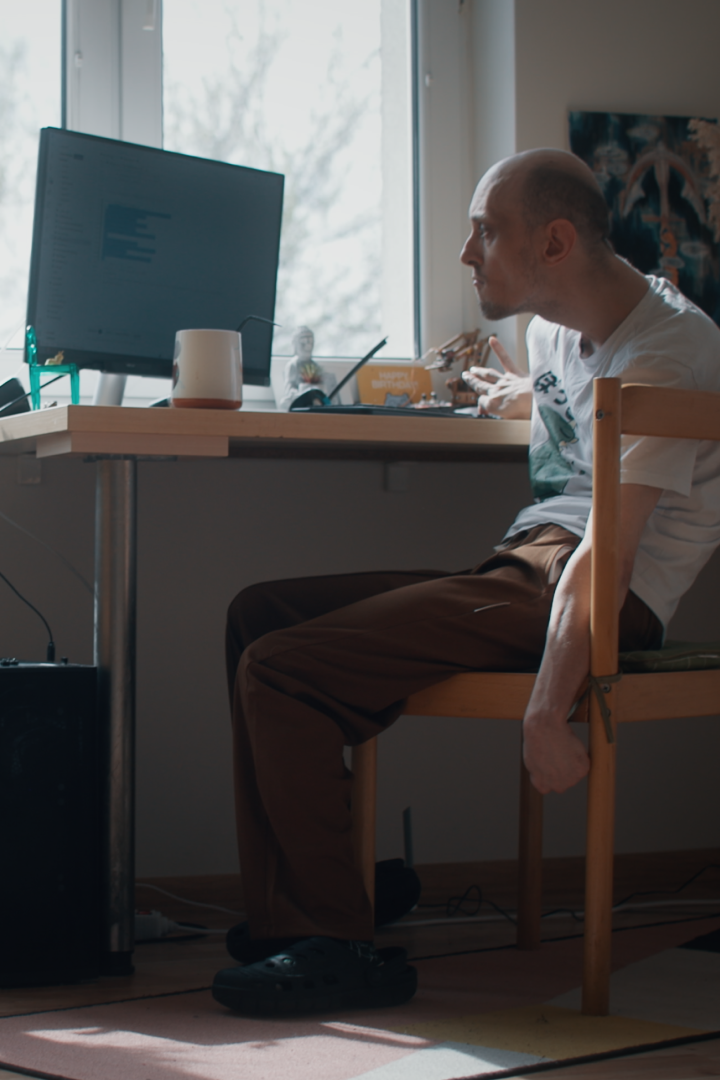
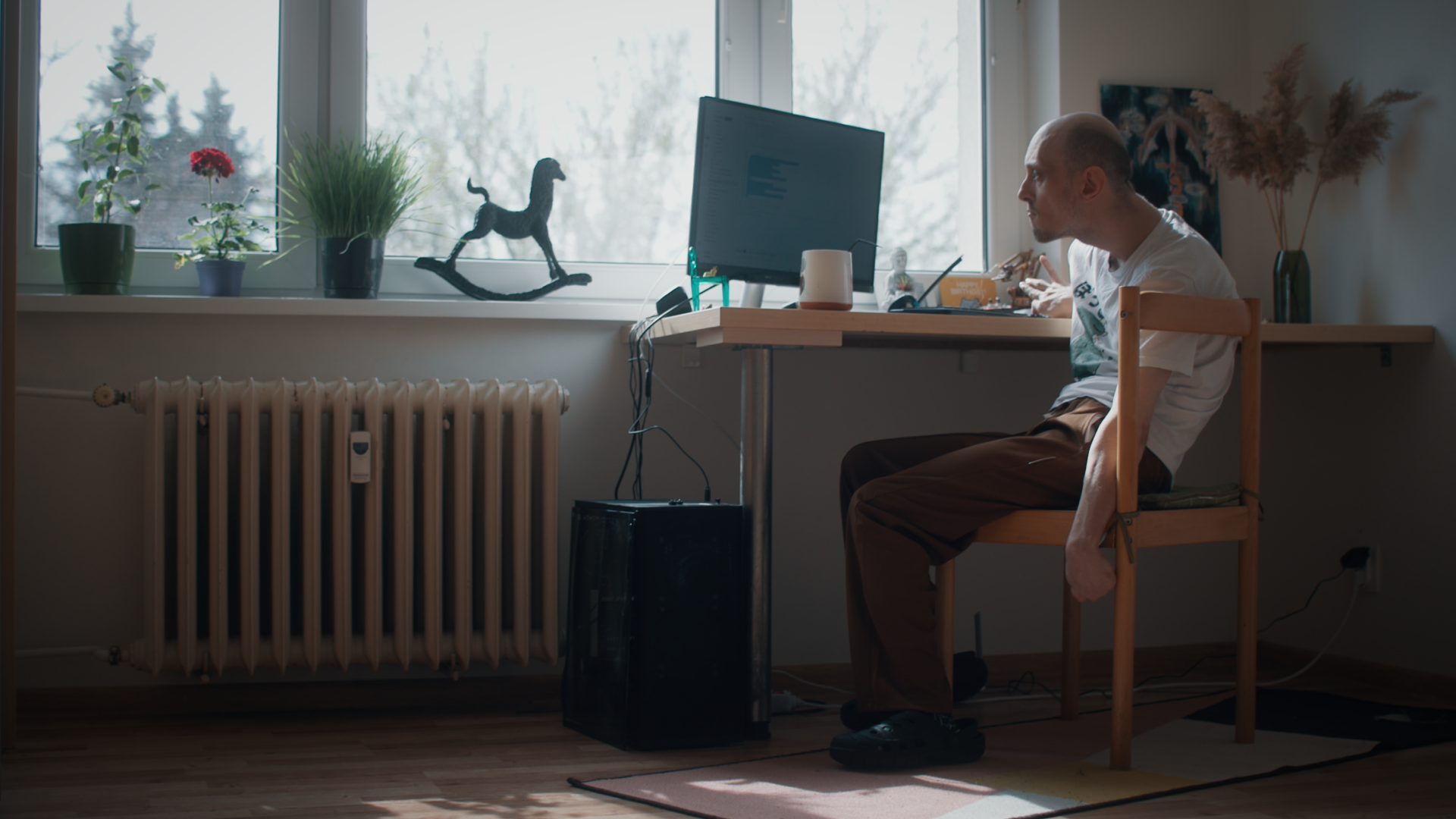
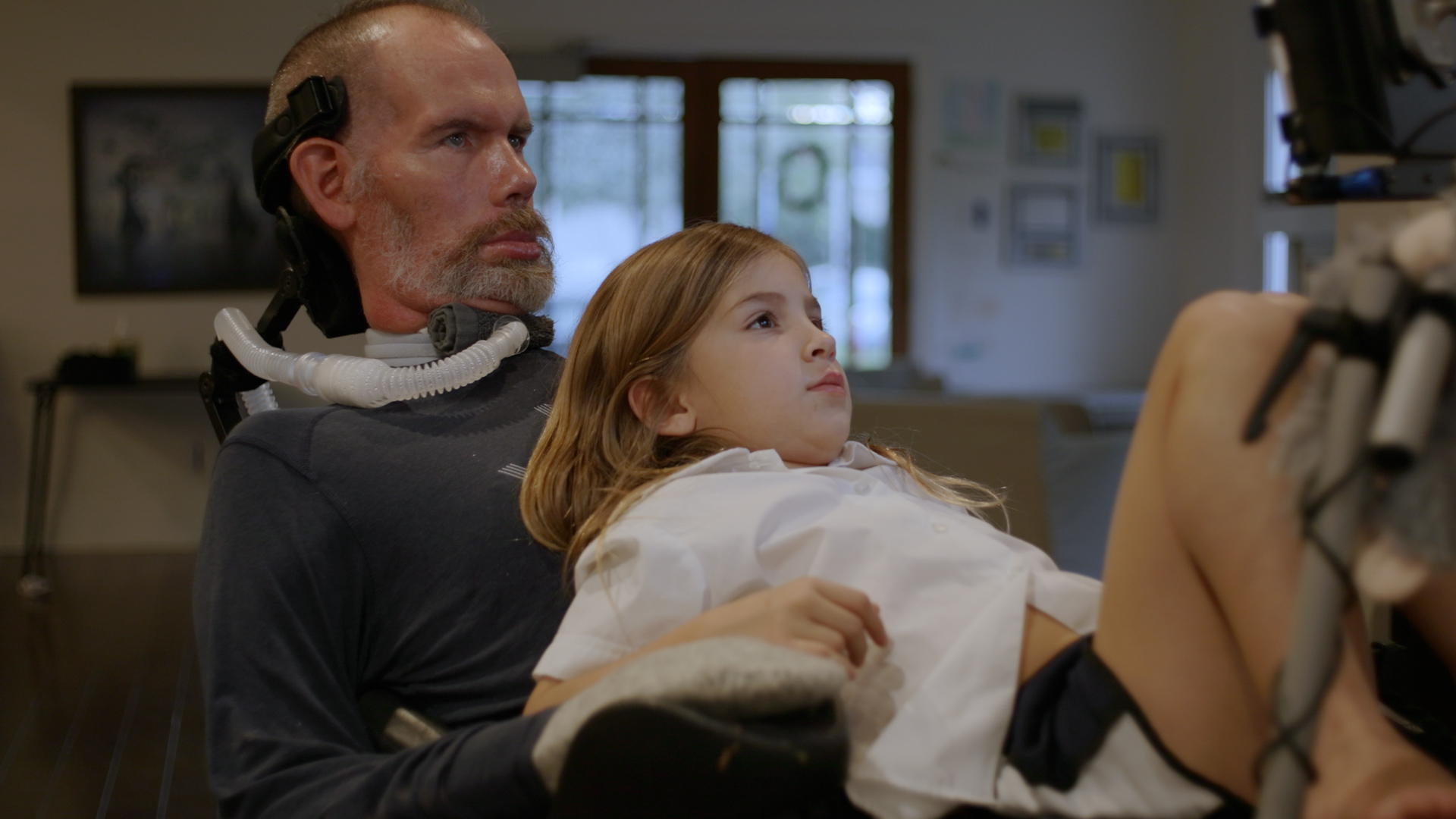
The former New Orleans Saints safety has helped define what’s possible for people living with ALS. Diagnosed in 2011, Steve turned his own experience into a platform for action—pushing for better support, better technology, and faster progress in research.
“I say I was diagnosed with ALS, so millions of people in our future will not be diagnosed,” says Steve Gleason, Founder and Board Member, Answer ALS.
Many NFL fans remember him for one iconic moment—a blocked punt in a 2006 game. In 2012, a bronze statue outside the Superdome captured him mid-block. Today, he’s helping overcome the barriers that slow down access and progress for others with ALS.
As a longtime ALS advocate, Steve has insisted that people with ALS shouldn’t have to wait for a cure to keep living meaningful lives. Through another nonprofit, Team Gleason, he’s helped thousands of people with ALS and other neuromuscular conditions access practical tools and services that protect independence right now—especially around communication and mobility. Centered on connecting people to assistive technology and equipment, the nonprofit raises awareness of and accelerates momentum toward ending ALS.
Technology gives back what ALS steals. My voice, my mobility, and my ability to connect and create.
Built for researchers and designed for speed
Answer ALS translated Steve Gleason’s urgency into Neuromine—a shared research hub designed to make ALS research data easier to find, filter, and use. This gives researchers a better way in without making them fight infrastructure before they can fight the disease.
Built around privacy, security, and respect for the people whose data powers the work, Neuromine runs on Azure. With that foundation, researchers can locate relevant slices of the dataset through search and filtering, pull targeted cohorts, and bring data into their own working environment. Clear linkage to biosamples and cell-line resources help teams move from discovery to validation, instead of getting stuck at “interesting result, unclear next step.” Governance and access are structured to keep the portal broadly usable—without slowing down legitimate research.
From 72 to two weeks
Historically, getting to an analyzable dataset could take 12–18 months. With Neuromine, researchers can go from hypothesis to data access—and to matched biosamples—in about two weeks.
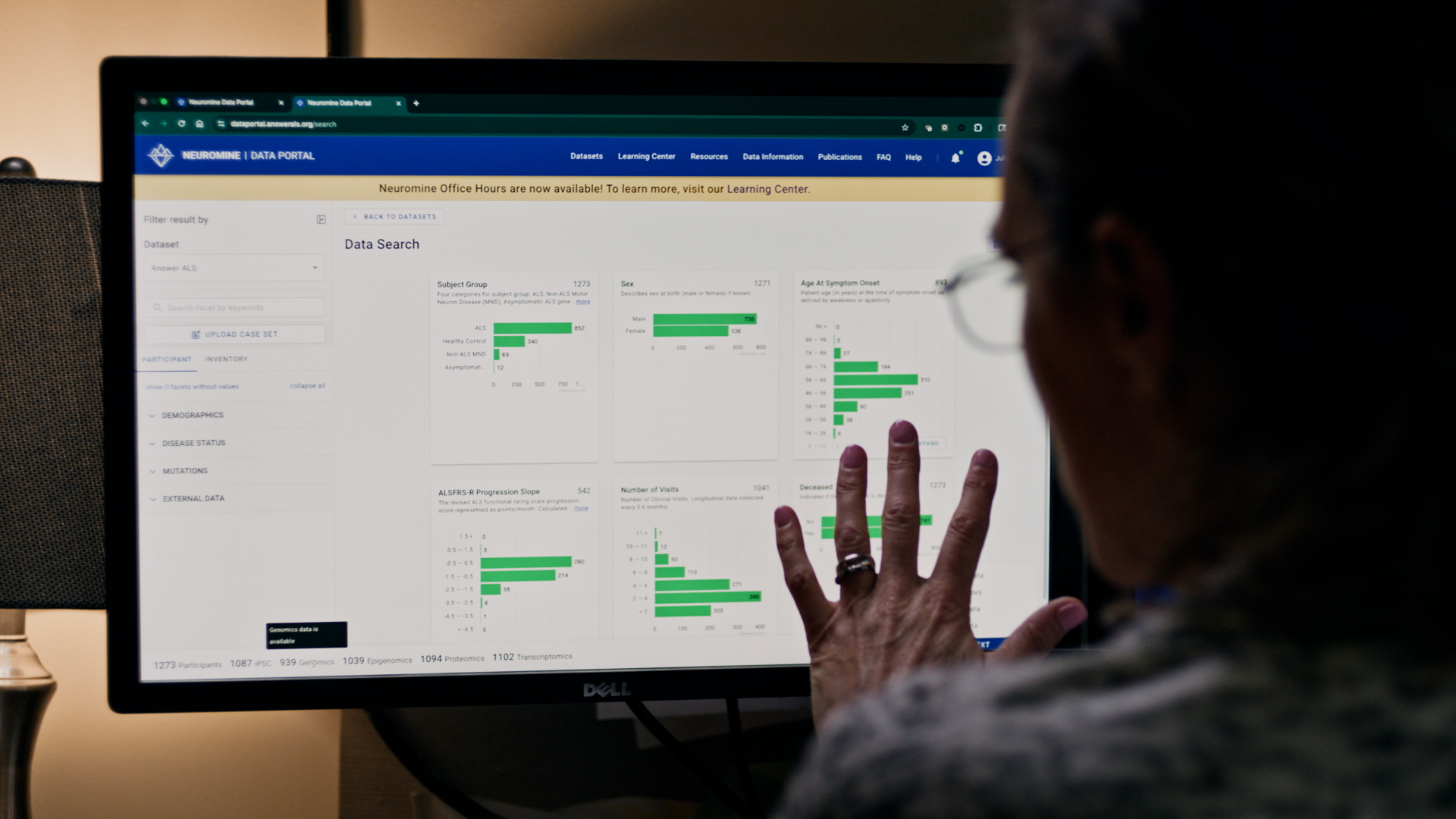
Neuromine has enabled 520+ research projects—spanning everything from high school classrooms to leading research institutions. Data from 1,100+ Answer ALS participants is now harmonized and available in Neuromine alongside ALS Therapy Development Institute’s ALS Research Collaborative (ARC), enabling researchers to interrogate 2,500+ ALS patient profiles in one place. Answer ALS estimates this model could accelerate research timelines by as much as 65% over the next couple of years. For the first time, researchers can analyze ALS at a scale and depth that reveals patterns no human could detect alone.
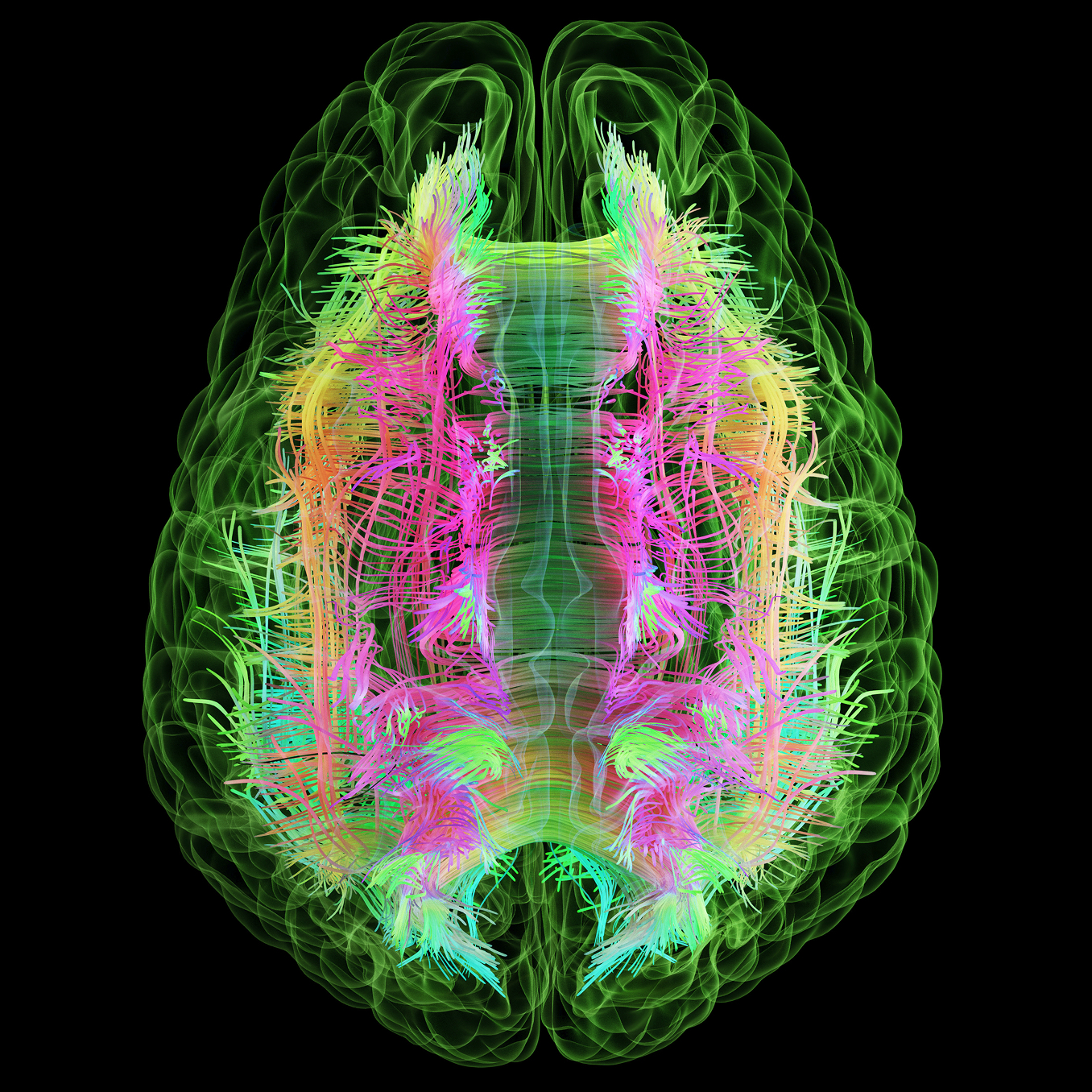
Machine learning approaches are surfacing previously invisible genetic relationships—including a promising set of genes called nucleoporins, which regulate traffic in and out of the cell’s nucleus. Early signals suggest that combinations of mutations in these genes may help explain why some people decline rapidly while others live for many years. Now teams can validate those insights by turning patient blood cells into neurons, then using robotic microscopes and biosensors to watch ALS unfold inside the cell in real time.
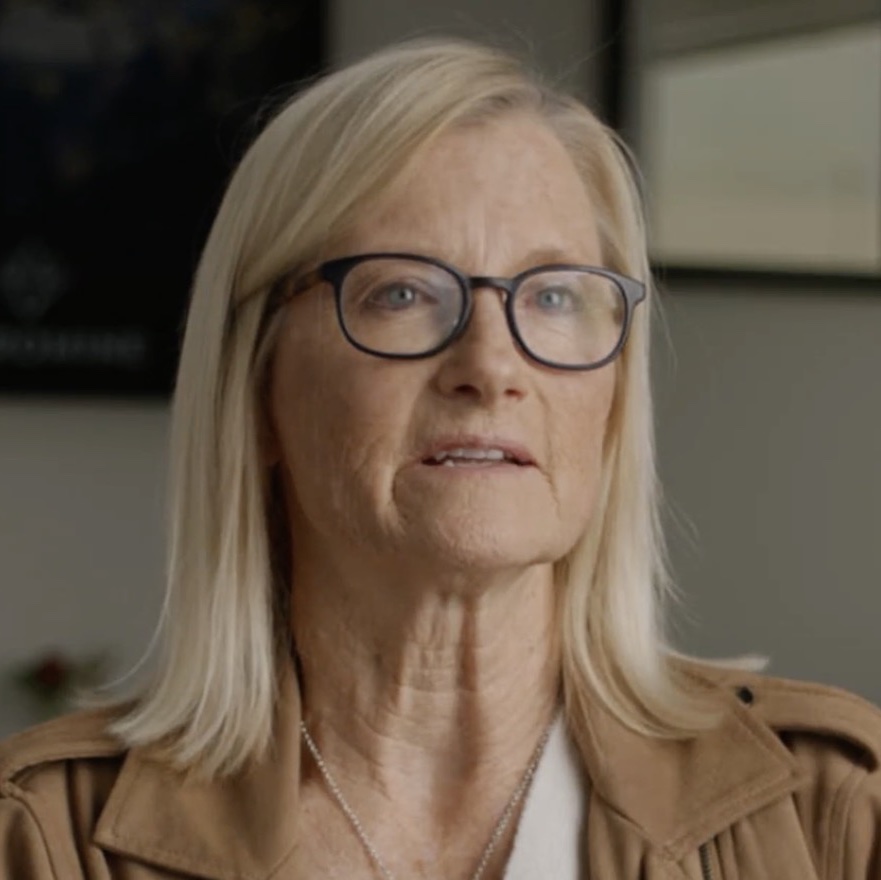
Everybody who participated knew that they might not be around to see the results. Their commitment was just extraordinary.
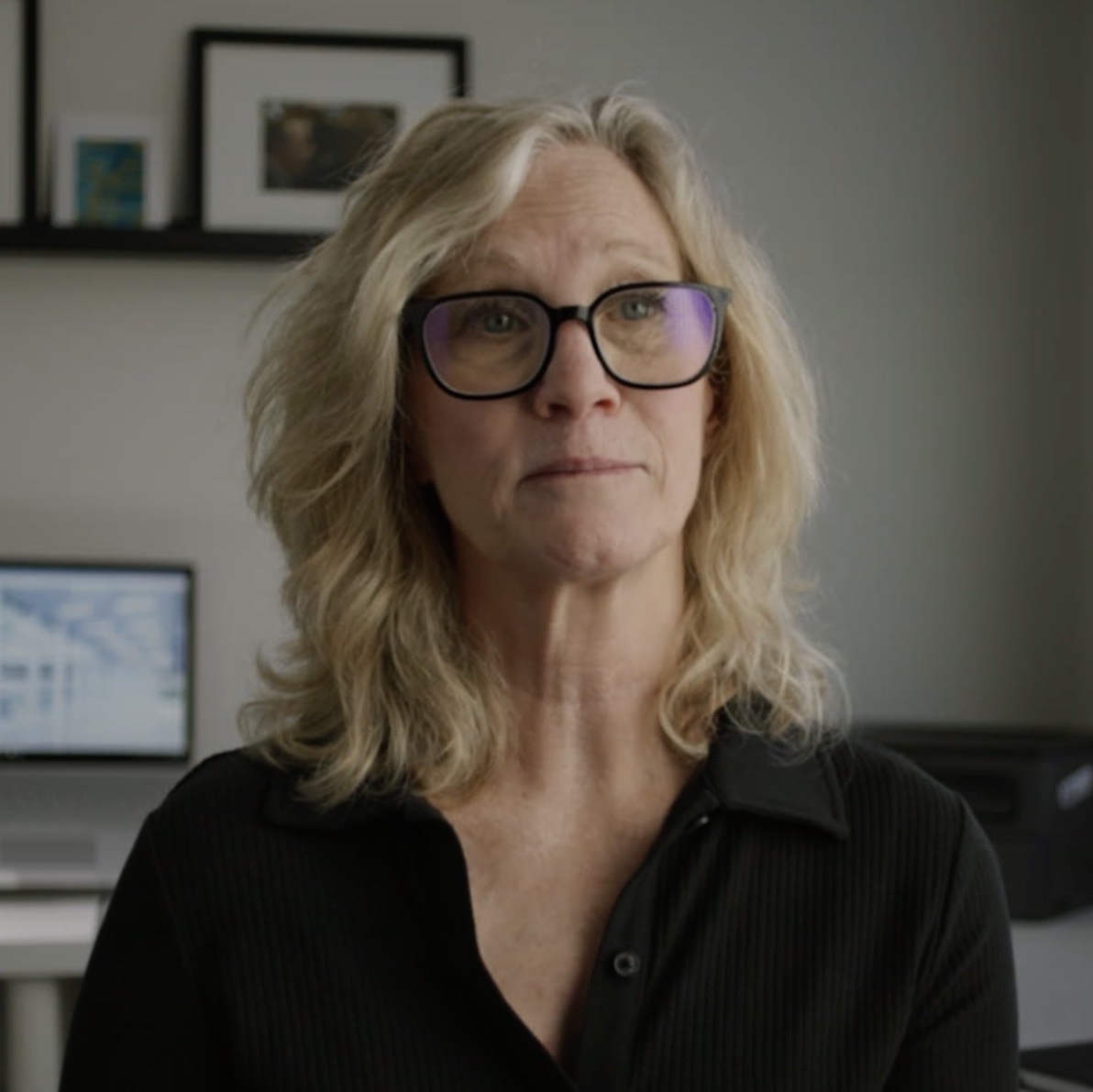
Because Neuromine can deliver data quickly and freely, globally—it will take discovery time down by months, if not years.
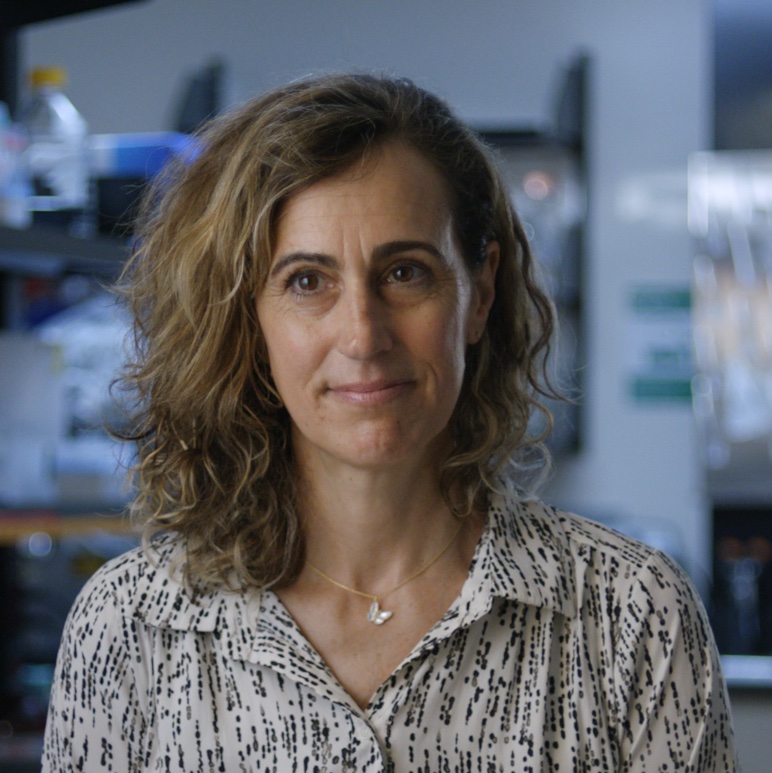
I’m really excited by some of the recent results where we’re able to discriminate cells that come from patients with ALS using the data from Answer ALS.
Open data, real momentum
A new model for rare disease research is emerging. One that advocates open data, advanced computing, and community-driven innovation working together to shorten the path from hypothesis to insight. For people living with ALS—who often don’t have time to wait—this acceleration is the possibility of a clearer path toward a cure.
It turns individual stories into collective power. Open data accelerates everything.
The power of shared data
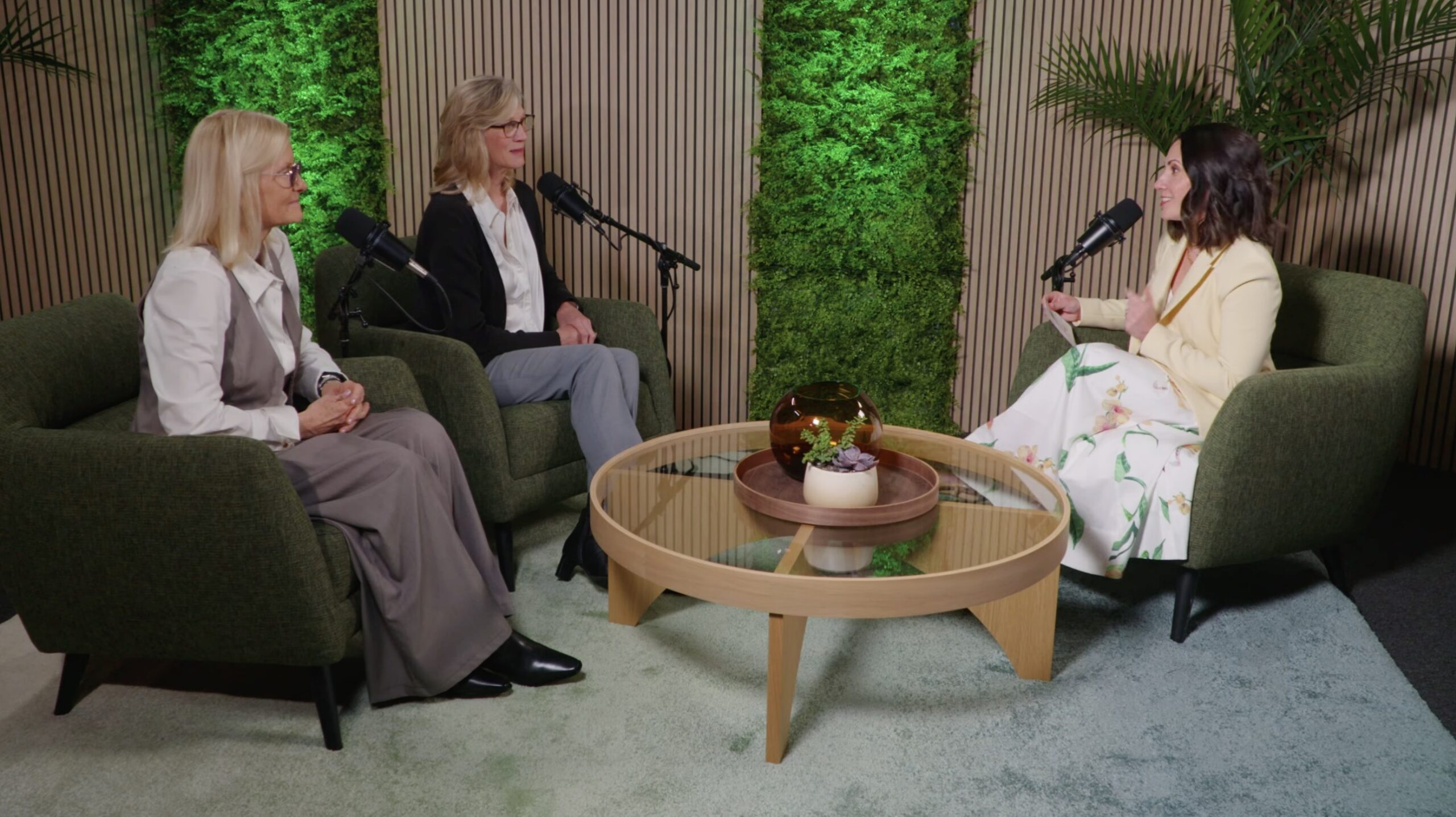
Learn how one bold shift, from siloed research to a single shared dataset, sparked faster ALS breakthroughs. Clare Durret and Terri Thompson, PhD from Answer ALS reveal what this change means for the future of ALS research.