Sealed in glass
Updated March 17, 2026
Storing data on glass might sound futuristic, but it’s a concept that dates back to the 19th century when single photographic negatives were preserved on panes of glass. Fast forward to today, and researchers have shown just how much digital life glass can hold. In recent demonstrations, a coaster-sized piece of glass stored about 4.8 TB of data written in hundreds of layers inside the material.
Elire, a sustainability-focused venture group, has collaborated with Microsoft Research’s Project Silica team to harness this technology for their Global Music Vault in Svalbard, Norway. Using silica-based glass plates, they’re creating a durable archive that’s designed to be highly stable and long-lasting, offering an environmentally friendly way to preserve musical heritage.
This vault will complement repositories like the Global Seed Vault and the Arctic World Archive, offering a comprehensive sanctuary for musical heritage—from classical operas to modern hits and indigenous compositions. Looking to the future, Elire plans to expand this enduring musical collection by establishing accessible locations worldwide, inviting the public to interact with this extensive and ever-growing archive.
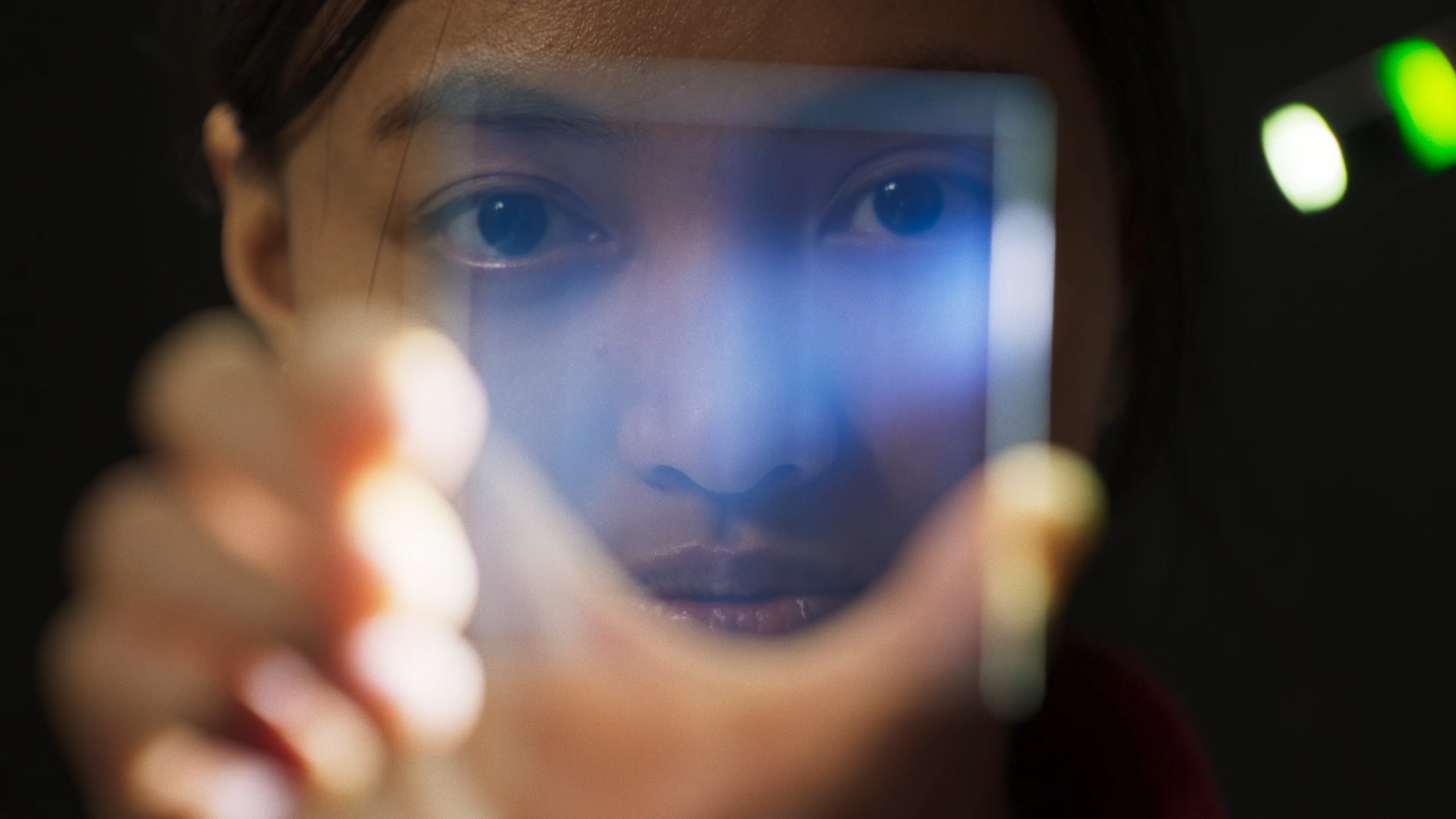
Glass offers cloud storage that’s efficient, sustainable, and compact, maximizing durability and space.
Sustainability changes in data centers
Our vast needs for data storage heighten the need for sustainable solutions. Magnetic storage, although prevalent, is problematic. Its limited lifespan requires frequent re-copying, which increases energy consumption and operational costs over time.
“Magnetic technology has a finite lifetime,” says Ant Rowstron, Distinguished Engineer, Project Silica. “You must keep copying it over to new generations of media. A hard disk drive might last five years. A tape, well, if you’re brave, it might last ten years. But once that lifetime is up, you’ve got to copy it over. And that, frankly, is both difficult and tremendously unsustainable if you think of all that energy and resource we’re using.”
Project Silica aims to break this cycle. Developed under the aegis of Microsoft Research, it can store massive amounts of data in glass plates roughly the size of a drink coaster and preserve the data for thousands of years.
“This technology allows us to write data knowing it will remain unchanged and secure, which is a significant step forward in sustainable data storage,” says Richard Black, Research Director, Project Silica.
Project Silica’s goal is to write data in a piece of glass and store it on a shelf until it’s needed. Once written, the data inside the glass is impossible to change.
Only 5,000 years ago did we start to produce writing. If you think about what it means to store data for 10,000 years, that’s an amazingly long time.
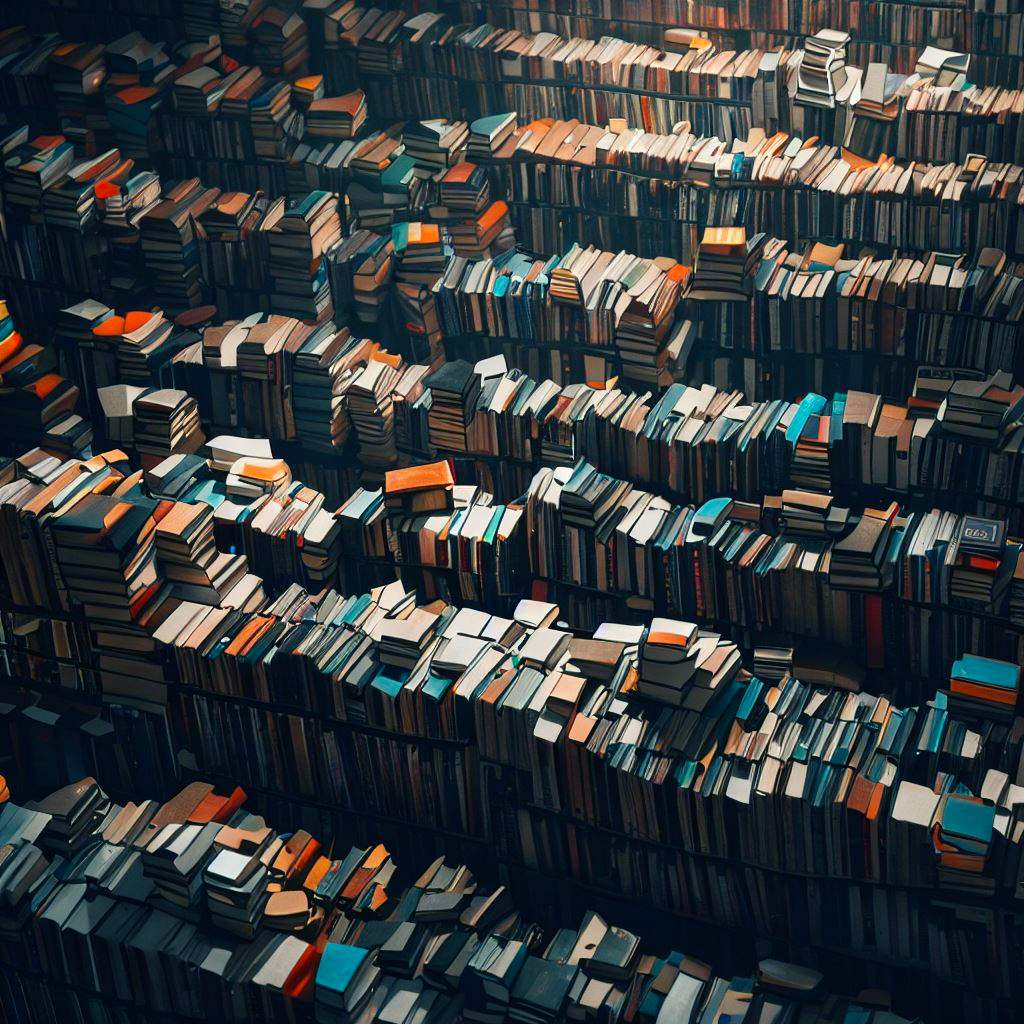
A glass plate could hold the entire text of War and Peace—one of the longest novels ever written—about 875,000 times.
Symbiosis in the cloud
Project Silica is focused on pioneering data storage in quartz glass in partnership with the Microsoft Azure team, seeking more sustainable ways to archive data. This relationship is symbiotic, as Project Silica uses Azure AI to help decode what’s written in glass—making retrieval faster and more reliable while creating a storage solution that doesn’t require constant rewriting. Data is stored using a four-step process that writes with an ultrafast femtosecond laser, reads through a computer-controlled microscope, decodes, and finally gets stored in a library.
Since data is encoded inside the glass as voxels—think 3D pixels— using an ultrafast femtosecond laser, information lives within the material, layer upon layer. Recent advances show the technique can work with fused silica and borosilicate glass—the kind used in common cookware. This makes the path to broader availability more realistic, with research focused on making writing and reading more efficient.
The key steps toward practical, large-scale archival use will ultimately lead to library-like storage. Glass can sit safely for long stretches, and the “activity” happens only when data is needed—systems retrieve a plate, read it, and decode what’s inside.
“Once we finish writing the glass and move it to the library, we design the system so it can never go back to the writer. It’s completely immutable,” says Richard Black.
Initially, the laser writing process was inefficient, but after years of refinement, the team can now store several TB in a single glass plate that could last 10,000 years. For a sense of scale, each plate could store around 3,500 movies. Or enough non-stop movies to play for over half a year without repeating.
Because writing and reading the glass requires specialized equipment, Project Silica is designed for large‑scale archival and cloud storage rather than everyday consumer use. Long‑term preservation also includes ensuring future generations have the knowledge and tools needed to read what’s been stored. The payoff is significant—glass storage requires only a fraction of the space used by today’s datacenters, making it a far more efficient and cost-effective way to preserve data over time.
Explore the four labs
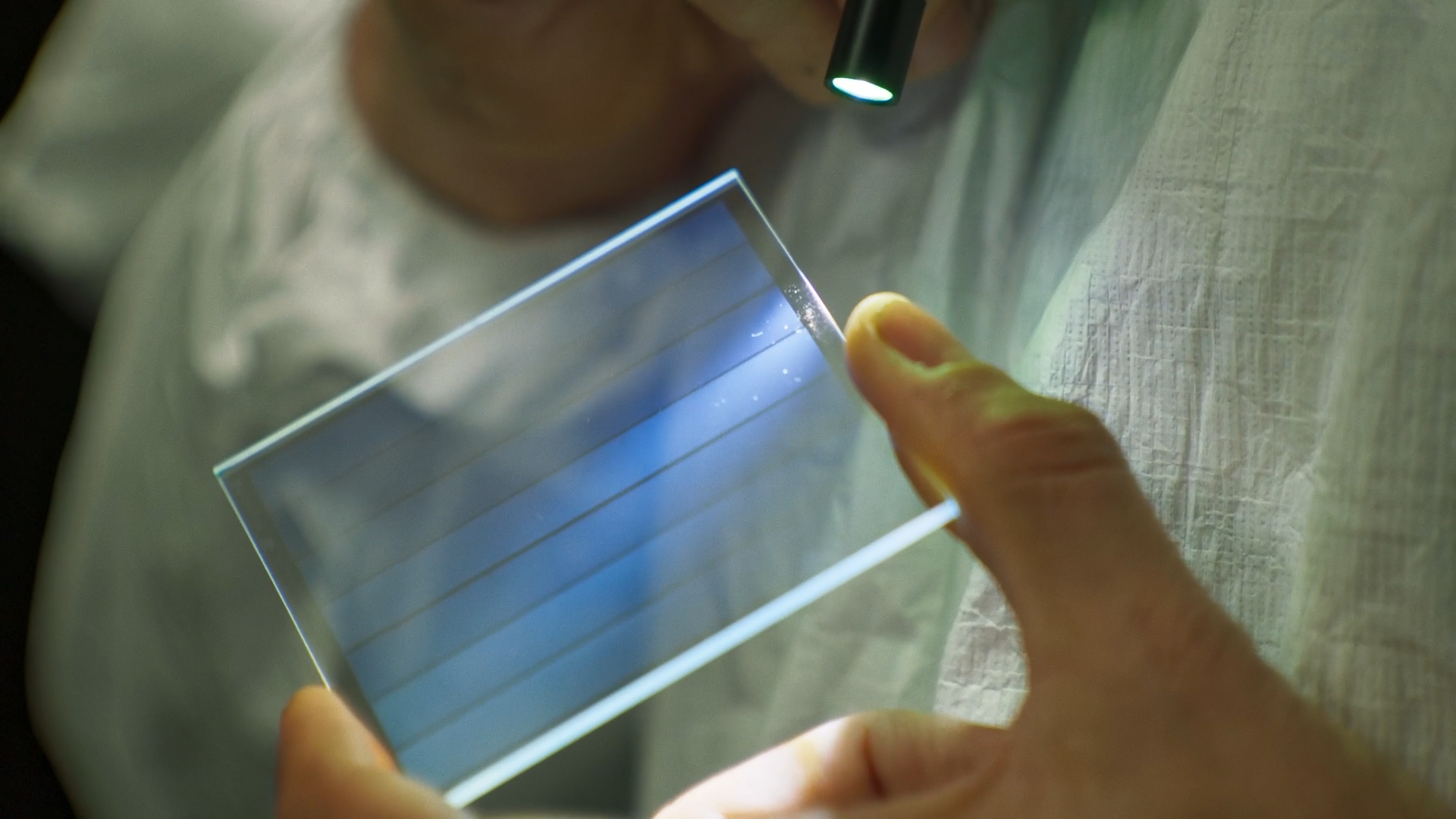
Project Silica uses laser pulses to encode data in glass, creating a durable, long-lasting storage medium.
More data less space
One of the standout features of glass storage technology is its space efficiency. Datacenters today are large infrastructures. In contrast, glass storage solutions require a fraction of that space. The technology we’ve developed here at Project Silica can store an enormous amount of data in a very compact form. It’s a new paradigm of efficiency and sustainability,” Black explains.
In glass we trust
Glass storage is still early in its journey. But the promise is already clear: glass is incredibly durable, sustainable by design, and cost‑effective at scale—exactly what Project Silica set out to achieve. The biggest costs happen upfront, during the process of writing data into the ultra‑resilient glass plates. Once the data is stored, maintenance is minimal, creating a way to preserve data long term at a lower cost.
Project Silica co‑founder Ant Rowstron imagines glass storage becoming a core part of Azure data centers around the world. And beyond infrastructure, archival storage can be a gift to the future. Choosing glass for long‑term preservation means safeguarding knowledge that may outlive us all. In the same way the Global Music Vault works to protect the world’s musical heritage, glass storage offers a way to securely—and sustainably—encapsulate everything from cultural records to scientific data, ensuring it remains readable for generations to come.