Forces of nature
Updated March 27, 2026
Tracing the roots
Asking for a visual description of the cloud is like asking for a visual description of air. Day-to-day activities like online orders, messaging apps, and social media can’t happen without it, but putting exactly what it is into words is tricky.
However, the cloud and air do share similar qualities that are easy to grasp. We know they’re always around us—invisible—and both have immense value. Air is something everyone needs, and the cloud can make life much easier for a lot of people.
But this foundational understanding only leads to more questions.
How did our data get into the cloud in the first place? Where does it go from there? Where is it stored, and how is it available 24/7? And what does it take to power AI at that scale?
The answer to these questions is very tangible: datacenters.
Datacenters are the backbone of the Microsoft cloud—including AI workloads. They’re the physical infrastructure that houses and maintains thousands of servers, which store and move our data through the cloud. Datacenters require a constant source of energy and a clean, cool environment to keep the servers running.
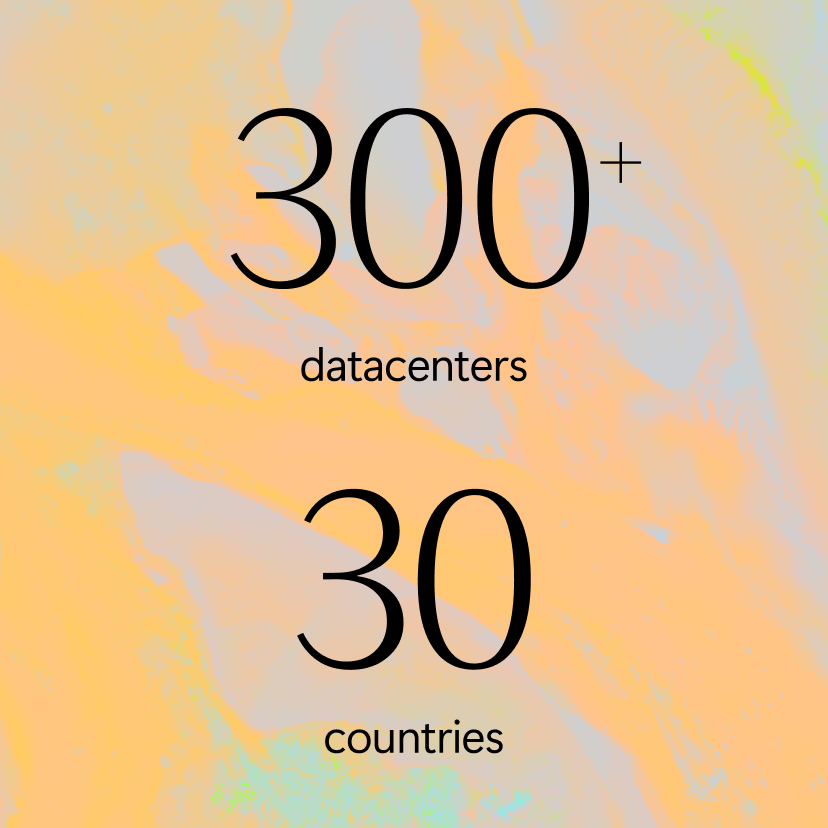
“Currently, we operate over 500 datacenters in 34 countries,” says Noelle Walsh, Corporate Vice President of Cloud Operations and Innovation at Microsoft.

The demand for cloud services has been increasing exponentially year after year, due in part to the recent spike in usage of AI globally. This means the Microsoft datacenter infrastructure has also had to grow at a rapid pace. A major consideration for that growth is how datacenters can meet the world’s increasing demand for cloud computing in a way that’s sustainable—with the least amount of environmental and community impact.
Being a good neighbor
The starting point of innovation at a Microsoft datacenter draws from nature’s own 3.8 billion years of R&D to solve modern design challenges—sustainably. By employing techniques derived from existing ecosystems, key leaders like Kaitlin Chuzi, Director, Lease and Land Development, is helping advance solutions. AI can help accelerate this work by quickly exploring more nature-inspired design options and modeling outcomes before anything gets built.
Datacenters use energy from the same electrical grid that powers homes, offices, and traffic lights. Since they must be running constantly, diesel-fueled or lithium-ion battery backup generators have traditionally been a mainstay of operations in case of power outages. And because the physical scale of datacenters can be massive, they cause a surmountable ecological footprint in the areas where they exist.
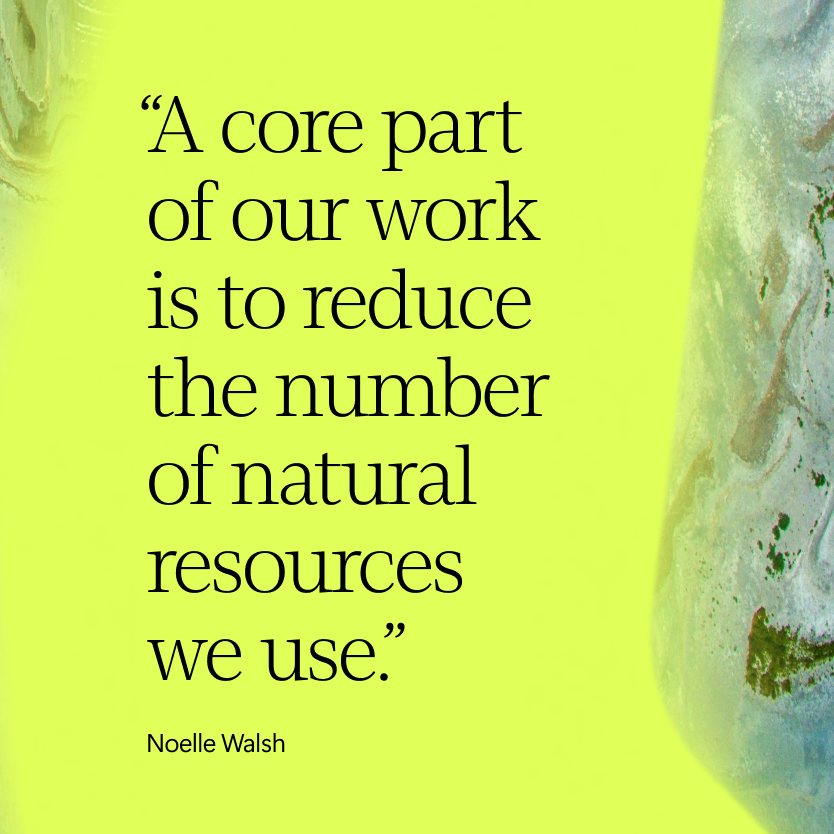
“A core part of our day-to-day work is improving the design and operational efficiency of our datacenters to reduce the number of natural resources we use,” says Walsh. “How we’re doing that is by making sustainability our foundation as we work towards our commitments, and by continually adapting our day-to-day operations to minimize our impact on the environment. ”
The core approach for improving the sustainability of datacenters is innovation. By working with internal R&D teams and collaborating with external experts, internal practices and policies have set forth clear examples. Testing and implementing new approaches for building and operating these sites has proven to greatly benefit the industry.
‘When any building is constructed, there is an ecological cost, so we’re working to mitigate those things,” says Chuzi. “What matters is that we holistically and systemically design the site with the local ecosystem in mind.”
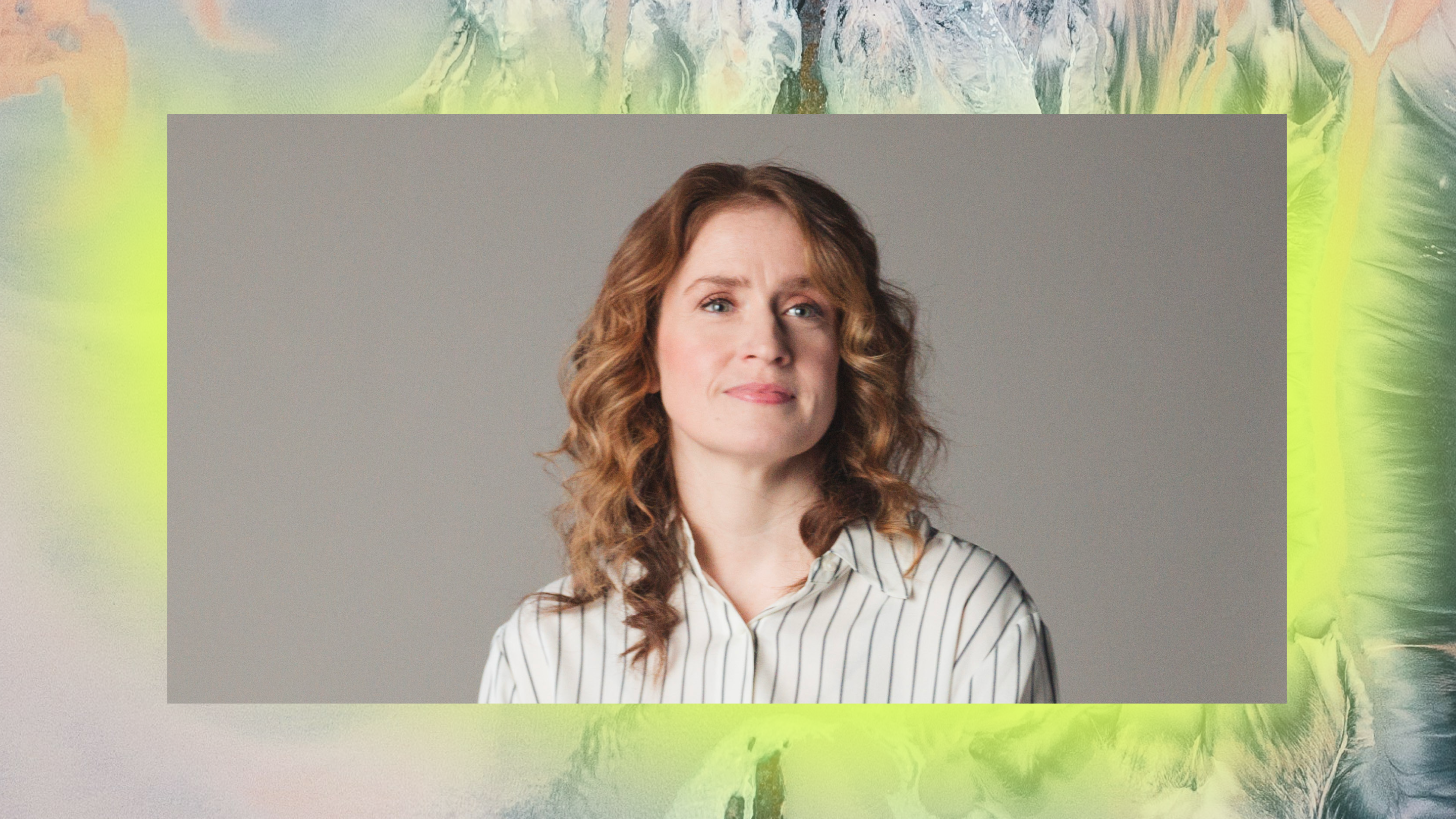
Kaitlin and her team are experts in biomimicry. They utilize and implement solutions derived from plants, animals, and the elements that have naturally manifested over millions of years. Leveraging biomimicry can reshape how datacenters exist within nature by being in tune with and contributing positively to the existing communities where sites operate.
For example, some sites have transformed traditional stormwater retention ponds into man-made wetlands that help filter and improve water quality, creating habitats for local species to live. Others utilize special UV glass that mimics the characteristics of enzymes in spiderwebs that birds can detect and avoid, reducing instances of them crashing into buildings. AI analyzes site conditions and monitors data to fine-tune water performance and reduce wildlife impacts over time.

Birds have evolved to be able to detect and avoid UV enzymes found in some spiderwebs. To reduce the number of incidents where birds crash into datacenters, some sites utilize special UV glass that mimics characteristics of that enzyme.
From green walls with vertical vegetation that increase biodiversity to permeable pavement that allows rainwater to flow into the ground below, the laws of nature have helped datacenters coexist better with the environment. Materials used to construct datacenters have also provided great opportunities to further sustainability commitments through innovation.
“A healthy, intact ecosystem has 100% eco-function. Standard [datacenter] designs leave 37% of an ecosystem intact. We try to reach at least 66% eco-function.”
Kaitlin Chuzi
Concrete, a key material in datacenters, accounts for 8% of all global carbon emissions, making it one of the biggest contributors of greenhouse gasses on Earth. To drive deeper carbon reductions, Microsoft is piloting a concrete mix using recycled glass, which will reduce carbon-in-slab structures by around half. Another lab-scale pilot—in collaboration with Prometheus Materials—uses structural materials made from limestone and algae-based concrete, which could lower the carbon in installations to near zero.
Innovating sustainable solutions for what happens on the outside of a datacenter is only half of the work. What happens inside—like keeping the power on 24/7—is just as important. Even the briefest power outage would cause immense ripple effects across the entire cloud infrastructure.
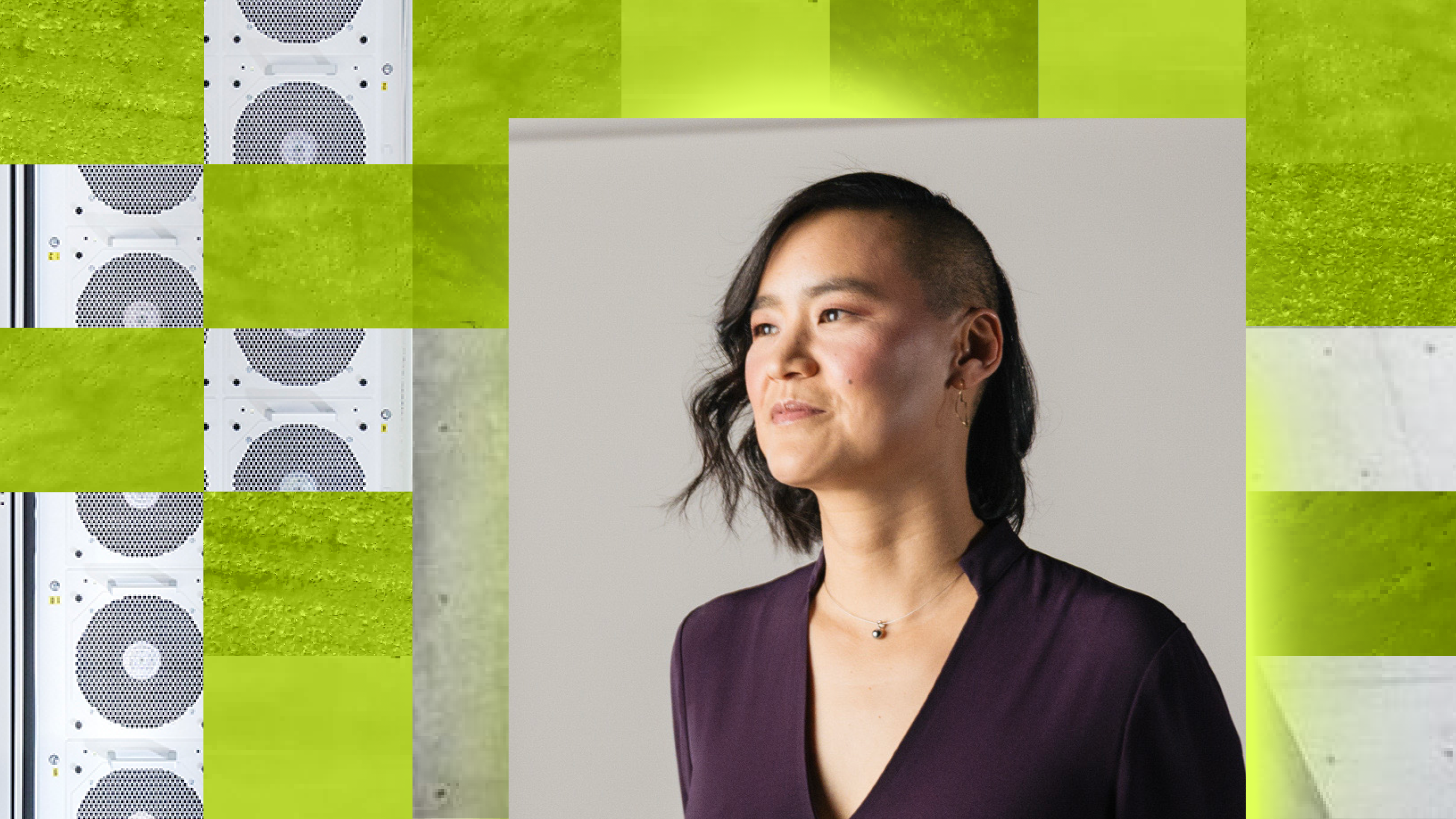
Tackling the day-to-day “how” of that huge task is Audrey Lee, Senior Director of Datacenter Energy Strategy. Audrey oversees the complex planning and strategy involved in procuring power for datacenters, and determines how that usage affects the communities they share a grid with.
“Historically, Microsoft datacenters needed a smaller part of the grid. But as demand has increased, we’ve required a greater share, so it’s important to understand our impact,” says Audrey.
To better understand this increased demand on the grid—now and in the future—Audrey’s team utilizes an approach called grid modeling, which includes AI-based forecasting. This anticipates grid usage so it can be planned for appropriately, sustainably, and in the timeliest way.
While Microsoft is not an energy company, it can be considered an infrastructure company, with energy being a valuable resource. Sustainable energy practices and positive community impacts— like grid stabilization and contributing back to the grid—are major responsibilities.
As electricity consumption increases, the demand and supply of power on the grid may not always match. Microsoft has uninterruptible battery-powered supply systems as a backup in case of a grid outage, which can provide service back to the grid by temporarily shifting demand—supporting the stabilization of the grid. By developing alternative power sources for datacenter backup and server cooling systems, great innovation is becoming a reality.
AI can help optimize when and how to shift demand—responding faster to grid conditions and improving efficiency. Microsoft has been using sophisticated backup batteries—GUPS, or Grid-Interactive Uninterruptible Power Supply—to stabilize local power grids in datacenters in Ireland, helping maintain a steady grid frequency when the weather changes and power flow ebbs and surges. This technology is also being implemented in datacenters being built in Finland, Sweden, and Denmark.
Get familiar with AI-powered innovations

Biomimicry
Biomimicry starts with the simple idea that nature has been solving problems for billions of years. Look closely and you’ll find smart, time-tested designs that can be adapted to today’s challenges. This shows how datacenters can work better with the ecosystems around them—and strengthen their ecological function. AI can rapidly test design variables and identify patterns in environmental data to improve outcomes.
Green hydrogen
Green hydrogen is made using electrolysis—splitting water into hydrogen and oxygen—so it produces no harmful by-products. By scaling this clean power across its datacenter fleet, Microsoft is helping chart new territory for the global energy sector. AI improves performance by optimizing system controls and predicting maintenance needs—so hydrogen power is more reliable when it’s needed most.
Grid stabilization
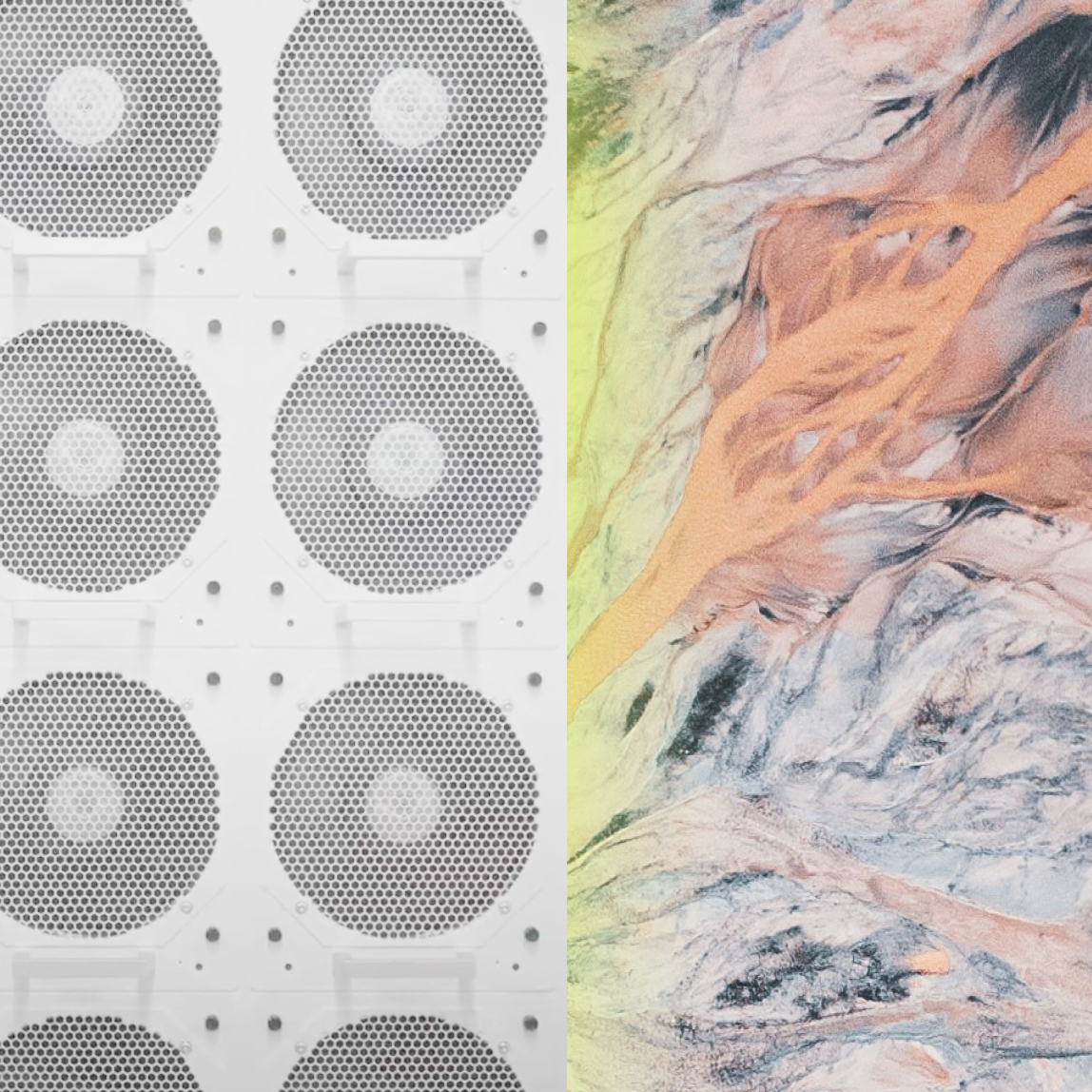
When electricity demand spikes, the grid can get strained. Grid stabilization helps keep supply and demand in balance. Datacenters already have always-on backup power, so they can temporarily shift some load off the grid when needed—helping steady the system. AI makes that shift smarter by forecasting spikes and coordinating load changes more precisely.
A future fueled by innovation
“Hydrogen fuel cell technology has been commercialized at smaller scales, but Microsoft is the first to demonstrate multi-megawatt generation at scale for datacenters when renewable energy sources are not generating,” says Sonia Maleky, Director of Hydrogen Technology.
Green hydrogen could be the perfect alternative sustainable energy source for datacenters because there are zero emissions. The only byproducts are clean water and heat, which can be repurposed to cool server systems and provide heat to local communities. AI helps route and reuse that heat and water more efficiently by matching supply with real-time cooling and heating needs.
The Microsoft hydrogen technology team is crafting energy innovations that have the potential to change the energy sector as we know it. The application of green hydrogen at an industrial scale will bring greater sustainability internally, and help other companies with similar commitments achieve the same goals.
More innovations in development are making positive impacts. Cold plate technology recycles hot water removed from cooling systems back in as cold water. This has already made Micosoft’s systems 90% more efficient than traditional systems. Eventually, this will be a completely closed loop system that never requires water from outside sources. AI can control these cooling loops in real time—adjusting flow and temperatures to keep efficiency high as workloads change.
The first-of-its-kind Circular Centers program can reuse and repurpose hardware from datacenters, and in 2024, reached a 90.9% reuse and recycling rate of servers and components—exceeding the 2025 target of 90% a year ahead of schedule. AI improves sorting and diagnostics—identifying which components can be reused, repaired, or recycled faster and more accurately.
A future where datacenters can be environmentally net neutral—and even deliver a positive impact—is closer than ever. And as cloud computing and AI continue to expand around the world, Microsoft’s datacenters will be ready to meet that demand, as sustainably as possible.
Image Credits: Matt Howard, Dave Hoefler, Ivan Bandura, Yogesh Gosavi, Josh Withers