Unique unites us

May 18, 2026
We’re not all the same, so why should our tech be?
One in six people in the world lives with a disability—and most of us will experience a disability at some point in our lifetime.
By building new tools with the disability community, Microsoft makes accessibility easier for everyone. Because building an accessible future benefits us all.
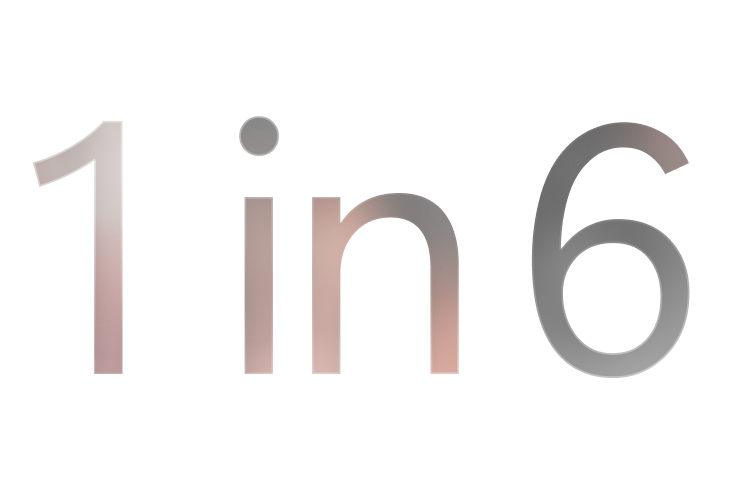
1 in 6 people in the world live with a disability
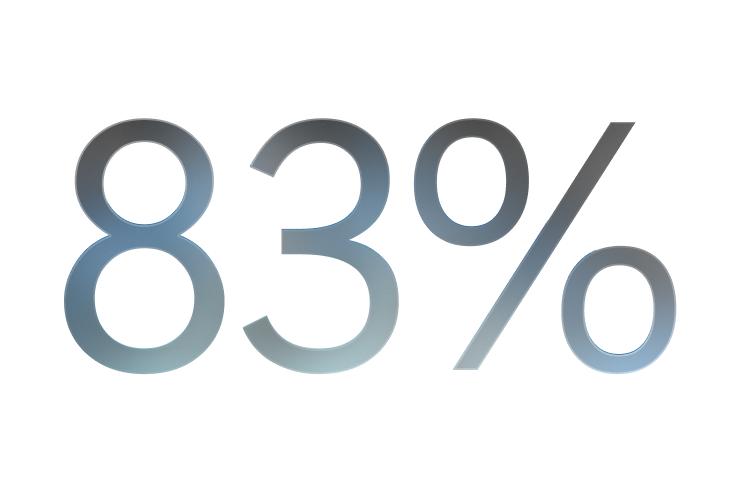
83% will experience a disability at some point in their lifetime
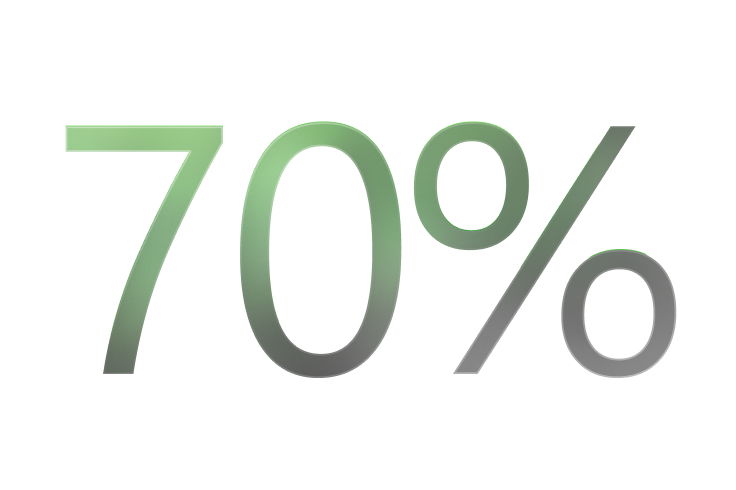
70% of the U.S. population with and without disabilities benefits from accessible technology
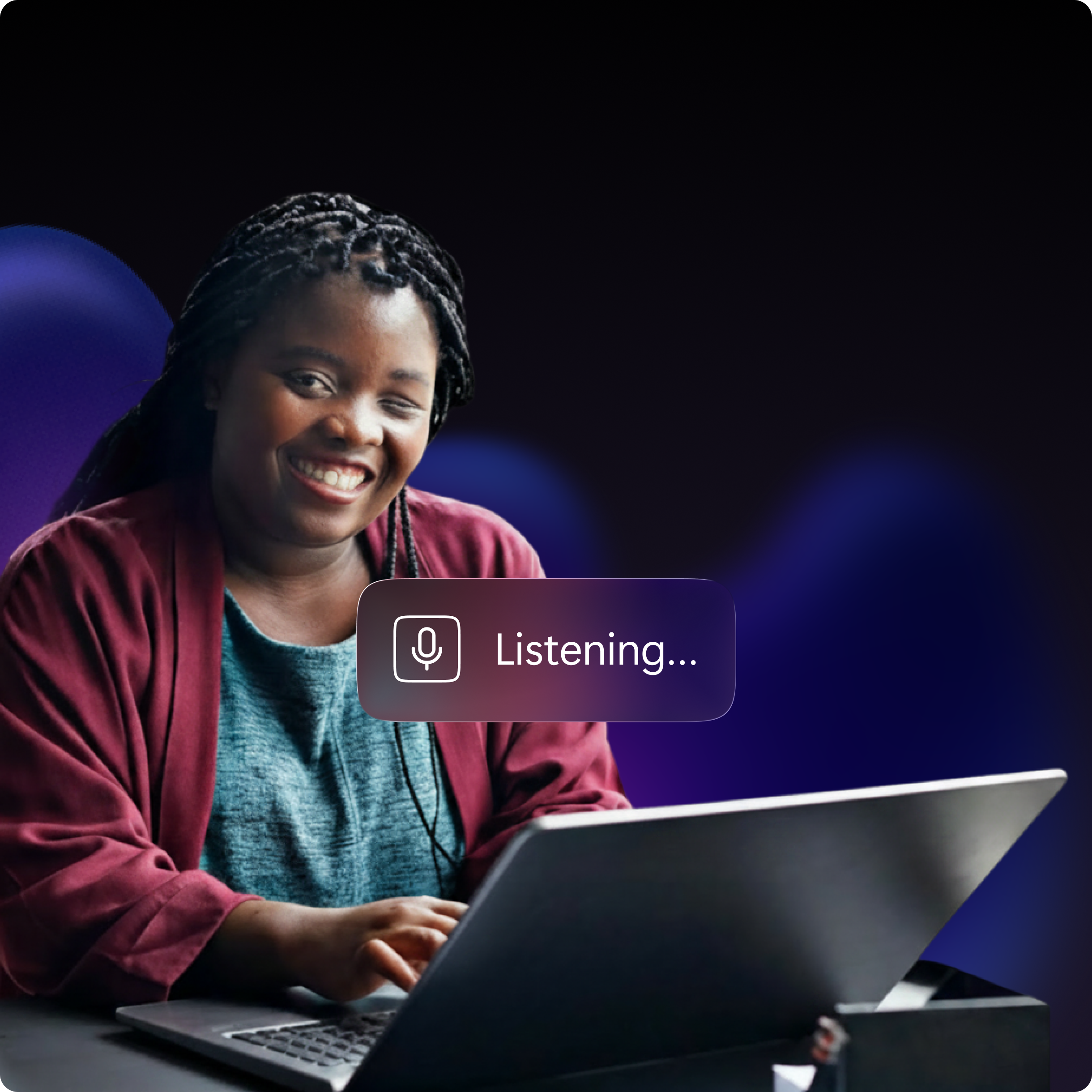
Built for every voice
Speech-to-text technology doesn’t always recognize non-standard speech patterns. That leaves out people with ALS/MND, Parkinson’s disease, Cerebral palsy, Down syndrome, and those affected by stroke.
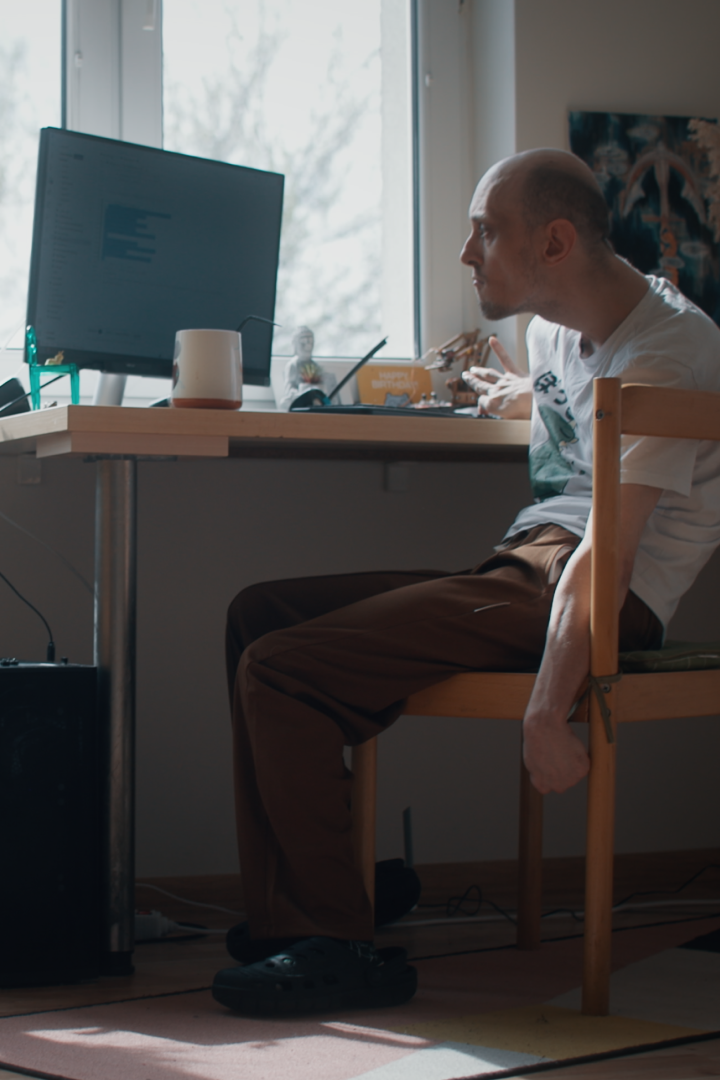
Employees like Senior Director of Human Centered Design Dave Dame, are helping change that by building access into products from the start. By using AI trained on Microsoft Azure to better understand a wider range of speech patterns, teams are making voice experiences responsive and inclusive.
With AI built into Windows Voice Access and Voice Typing with Fluid Dictation, complex workflows start to feel more like natural conversation. As Dame puts it: “You just speak what you need, and it happens.”
Voice with AI turns complex workflows into natural conversations. I just speak what I need, and it happens.
Windows Voice Access
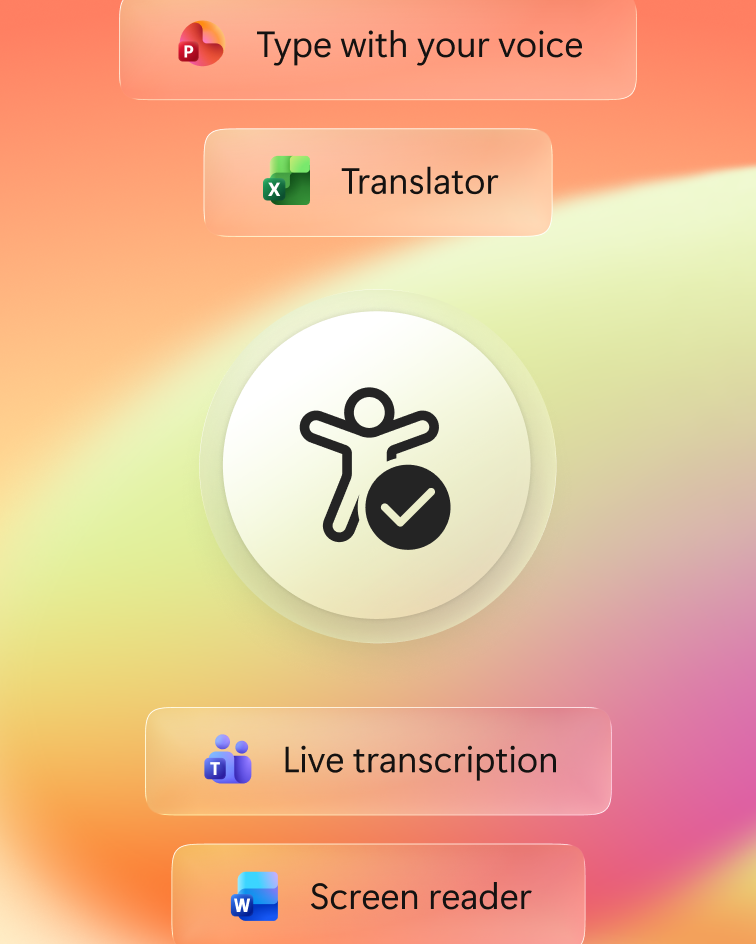
Speak up to switch between apps—no mouse or keyboard required. With Fluid Dictation, words sound more natural and refined. Available on Copilot+ PCs.
Windows Voice Typing
Talk to type everything from email to reports with your voice. AI converts speech to text––polishing your punctuation as you go.
Built from experience
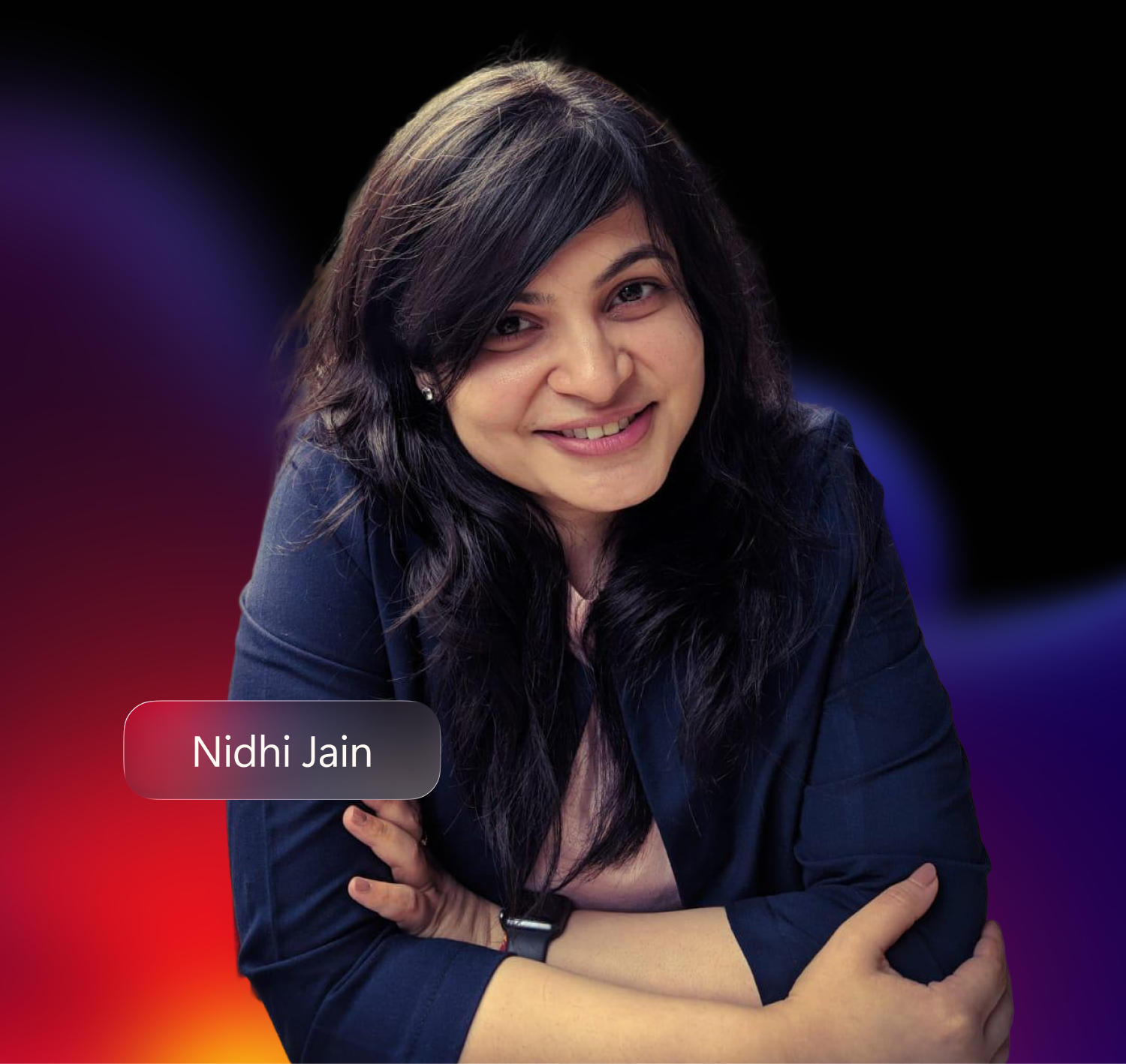
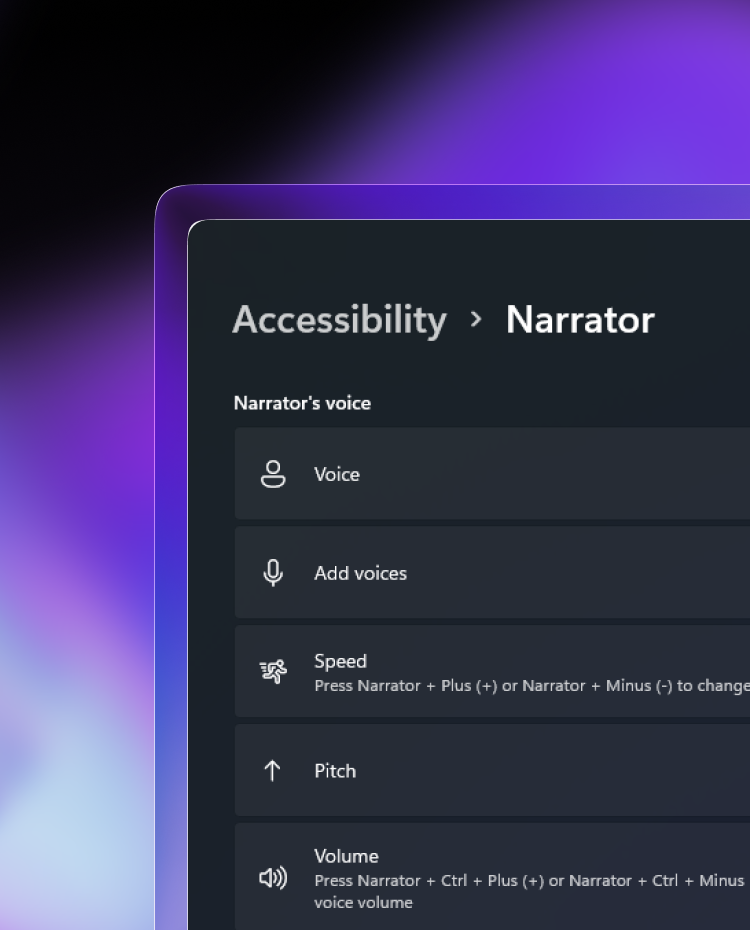
Principal Product Manager Nidhi Jain is part of the team that developed Windows Narrator, a screen reader available in all Windows apps. Experiencing vision loss at age 18, she’s also a big user of the tech. Jain says Narrator is made to be seamless—so everyone can stay in the flow, not fight the interface.
An accessible future is one where people don’t have to think about accessibility to be productive—it just works without extra steps.
Accessibility, built in
Accessibility works best when it’s built in from the start—not retrofitted later. Try out the latest tools built with insights from the disability community at Microsoft, committed to making accessibility easier for everyone.
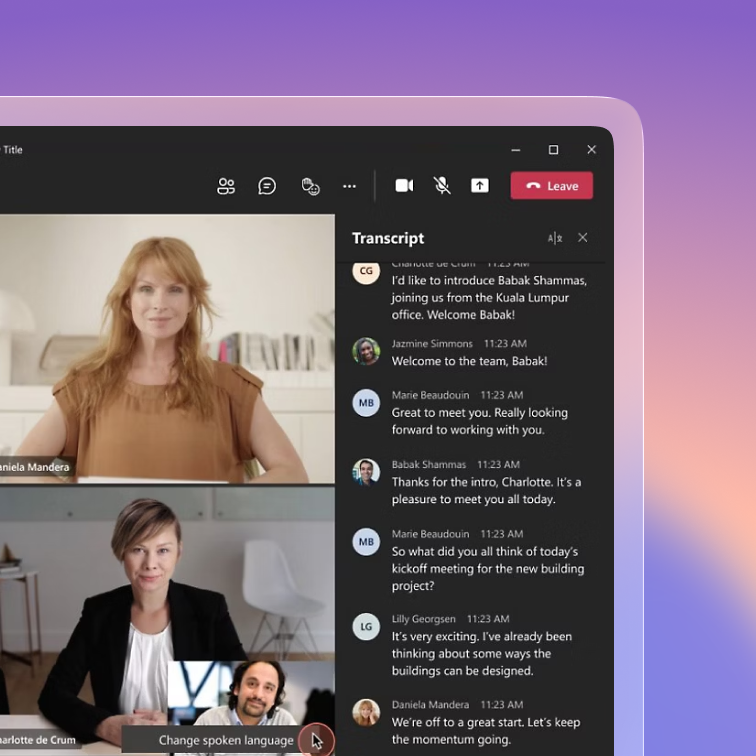
Teams Live Transcription
Get accurate transcripts quickly and real-time engagement in accessible formats.
Microsoft 365 Accessibility Checker
Run the Accessibility Checker to make your content easier for everyone to read and edit.
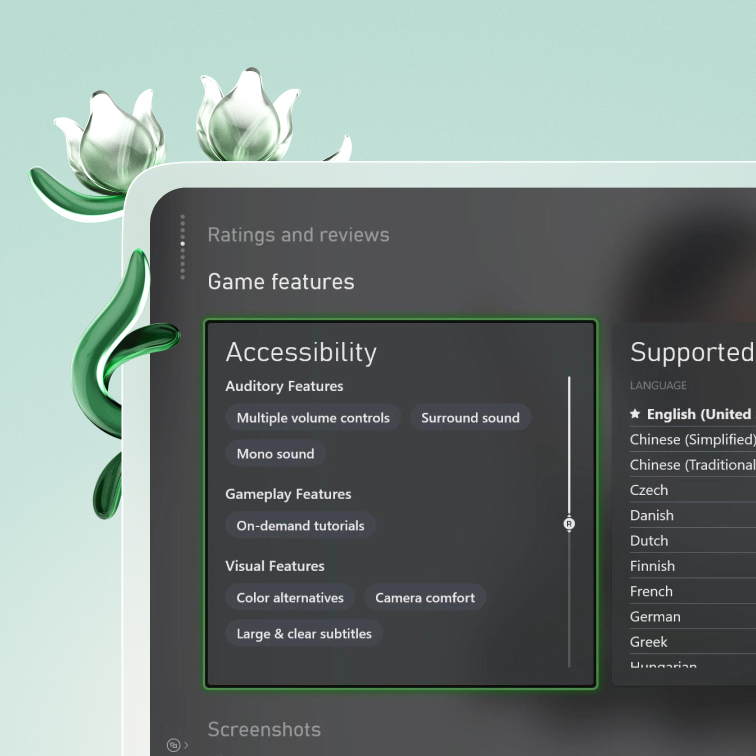
Xbox Accessible Games Tags
Find your next great game! Tags make it easy to browse accessible features before you play.
Skilling to scale
Inclusive design is for everyone. So far, 5 million people across the world have signed on to learn how to build tech that benefits us all. Through the Accessibility Skilling program—we aim to double that number by 2030. See the full course list.
All learners and organizations
Get grounded with our most popular design foundations course—open to all.
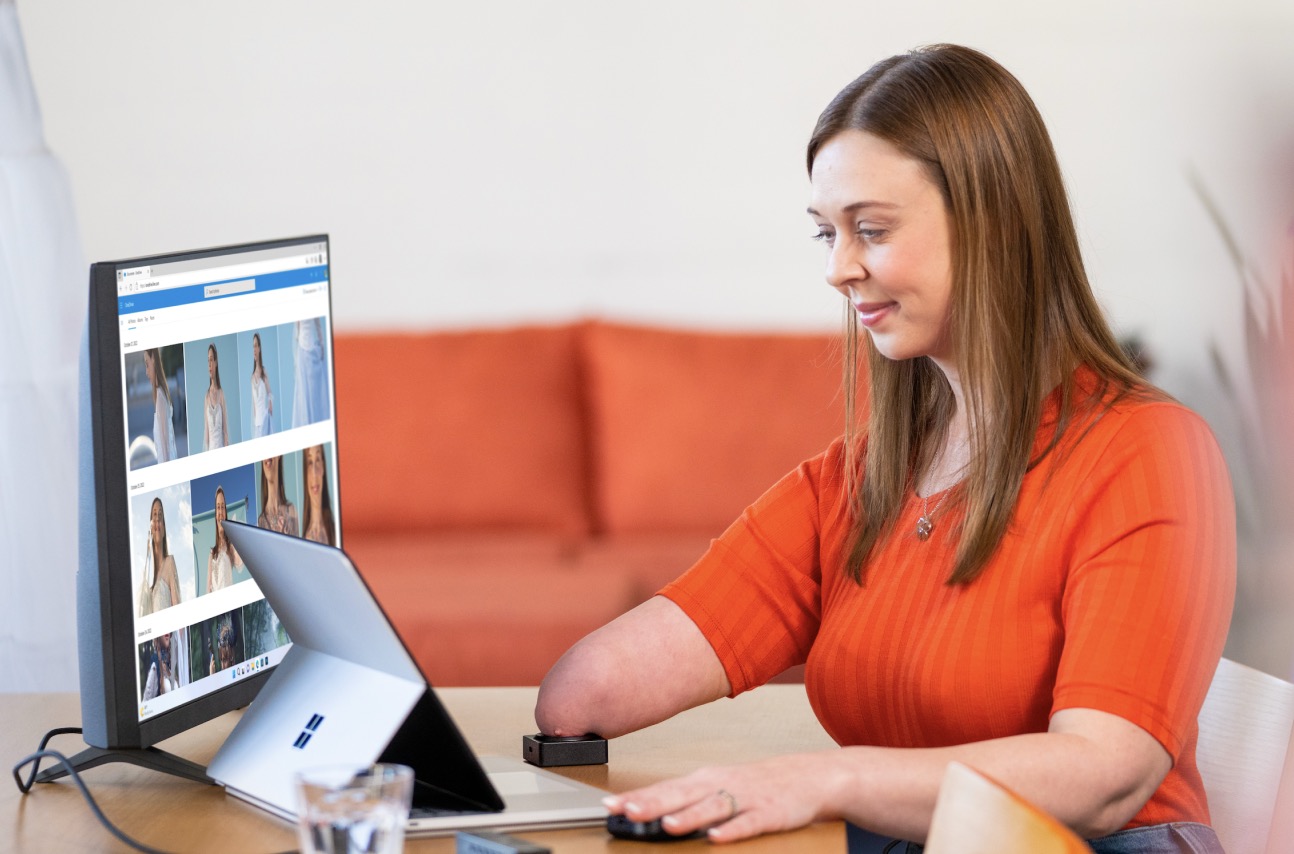
Learning AI, accessibly
Explore how AI and accessible tech create more time and opportunity while unlocking innovation.

For designers and developers
Build more intuitive, inclusive digital experiences from the ground up.

AI enables people with disabilities to be a force for innovation—not just consumers but creators.
Celebrate GAAD
May 21 is Global Accessibility Awareness Day! Show your support for technology that works for everyone—all year long.
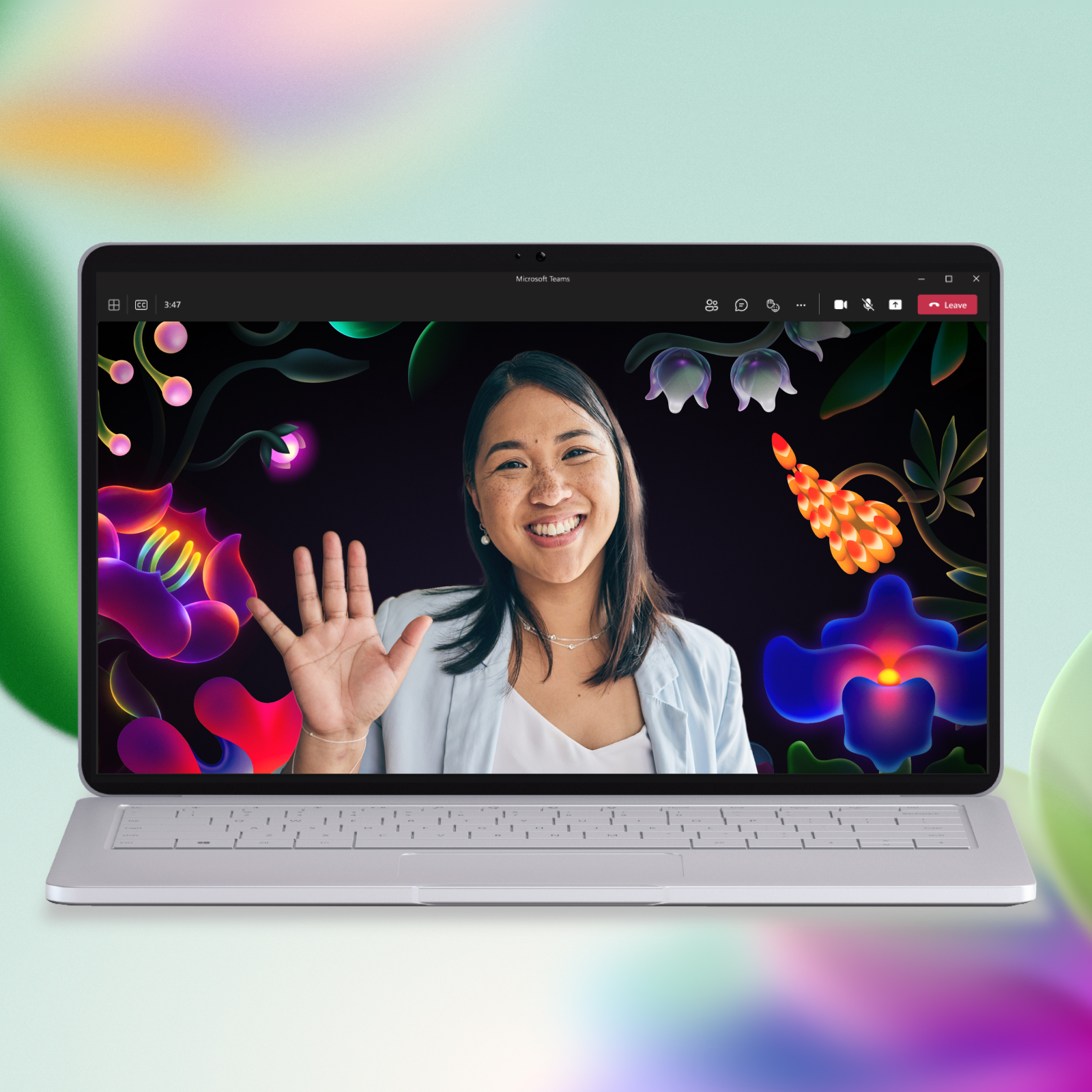
Microsoft Ability Summit
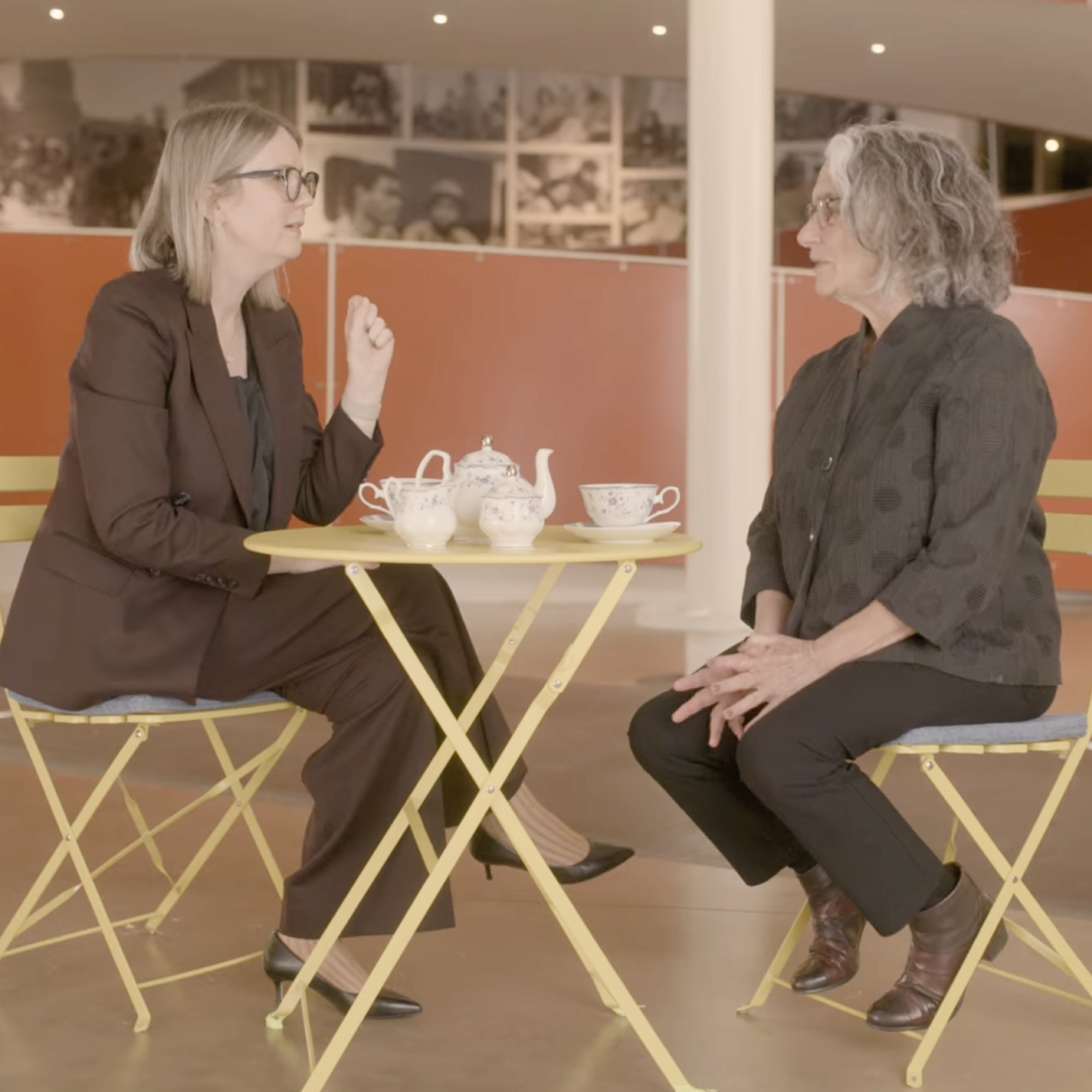
Join us May 19–20 for expert-led talks on making AI more inclusive to drive real collective impact.
Non-dominant ways of interacting aren’t edge cases—they’re invitations to richer, more expressive, and innovative ways of experiencing the world.