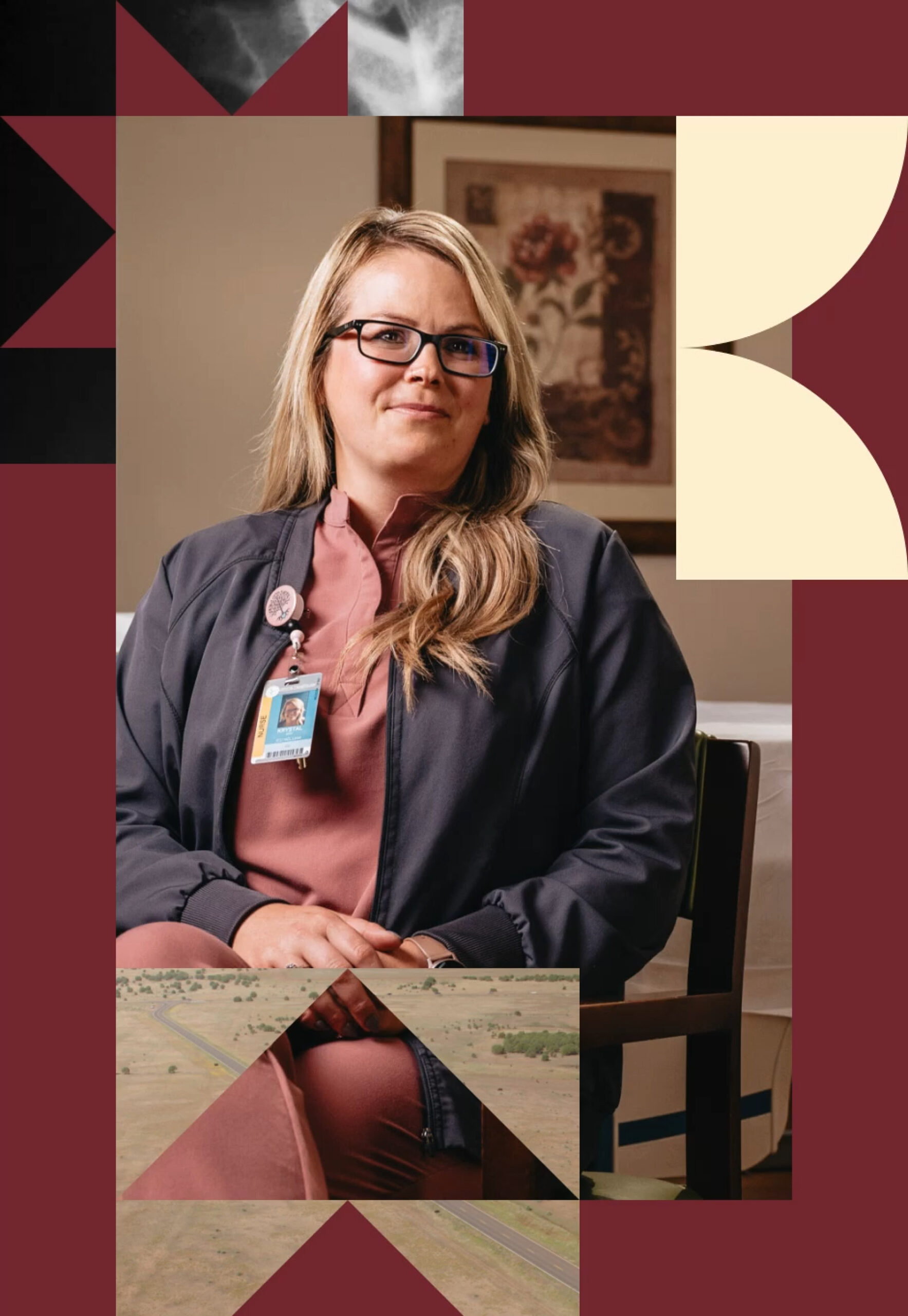
When a patient sits down to speak with her primary care doctor about her health, the sense of being rushed is often palpable. With little time to explain symptoms, find answers, and reach a diagnosis, the interaction can feel more transactional than personal.
And as medical professionals juggle growing workloads and the constant demand of documentation, their attention is often split between the person in the room and the screen in front of them.
Without enough time to say everything they need to say—sometimes even downplaying or not recognizing their own symptoms—patients often don’t feel fully understood. Many people walk out of the exam room feeling dismissed or unimportant, even fearful, when their doctor can’t give them the answers they need.
The impact is especially pronounced for women. Despite living longer on average, women spend more of their lives in poor health. Their symptoms are more likely to be minimized, with conditions going misdiagnosed, even undiagnosed, due to time restraints and gaps in the system. This is shaped by decades of underfunding, research gaps, and care models that don’t fully reflect women’s lived experiences. The disparities are persistent and widely recognized, and point to the deeper issue in healthcare today—too often, women are not fully heard.
An opportunity for change
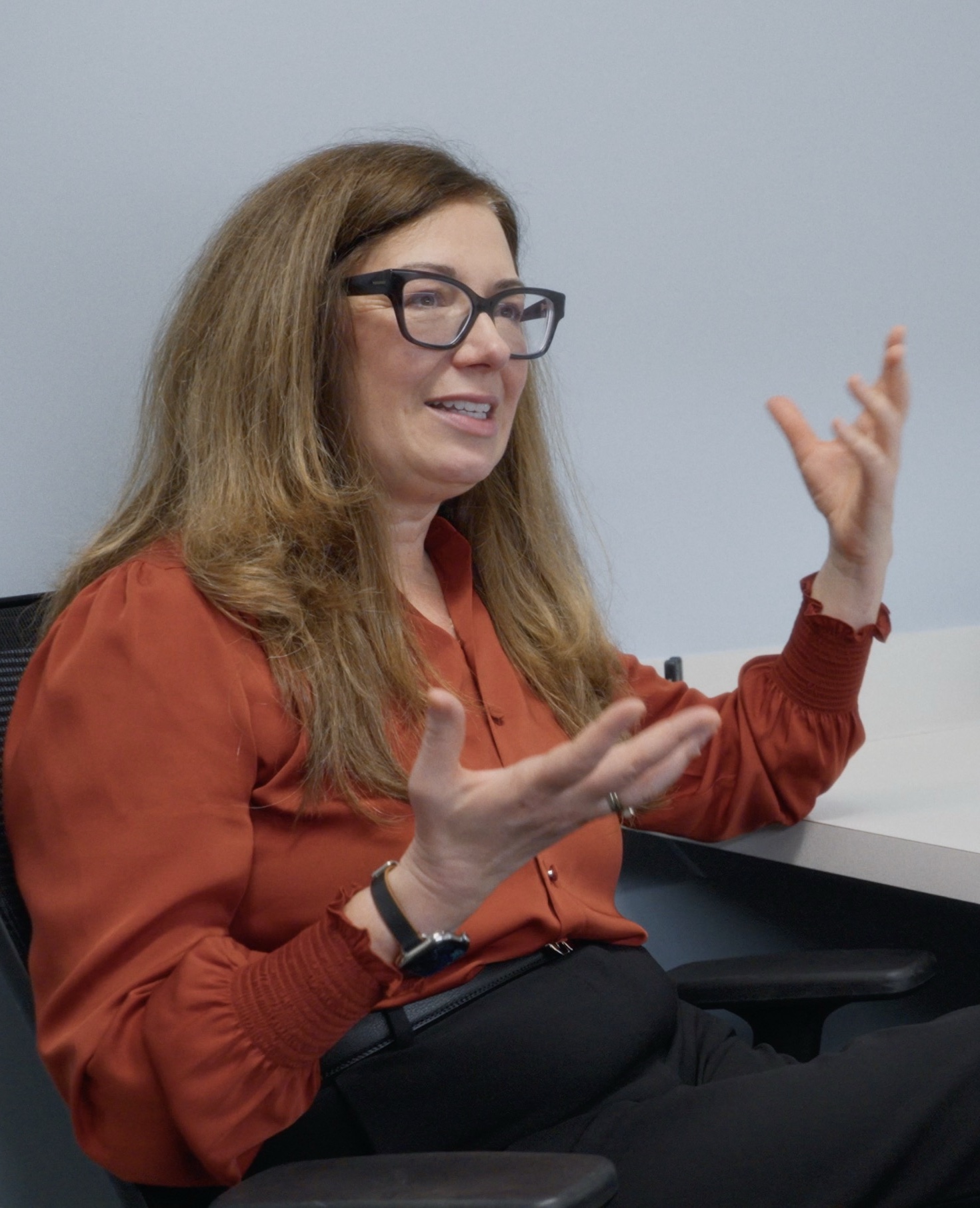
With more than two decades of experience as a physician assistant, Andrea Barrett sees the disparities in healthcare clearly, but she also sees the opportunity for change. As Principal Healthcare Solution Consultant at Microsoft, Andrea’s experience has shaped how she views the role of AI for better health. For her, the challenge is time and what gets lost when it runs out. The ability to truly hear patients is often the most important part of care that’s given the least amount of time. For Andrea, solutions like Dragon Copilot offer a way to give that time and attention back.
Dragon Copilot is an AI clinical assistant for clinical workflows that helps healthcare providers capture and act on patient conversations in real time—giving them the time and space to truly listen. By automating clinical documentation and routine tasks, it frees providers from the distraction of manual notetaking, allowing them to focus on what patients are saying, and what they might not be saying. This is especially critical in women’s health, where symptoms are often subtle, misunderstood, or too easily dismissed.
“When you remove the burden of documentation, you give something back that’s incredibly valuable in healthcare—attention.”
By capturing the full context of each encounter and enabling the surfacing of relevant insights through a platform approach, Dragon Copilot helps clinicians build a more complete picture of their patients. As a platform approach, Dragon Copilot supports best-in-breed third-party partners and extensions that can deliver insights at the point of care. For example, integrated voice analysis tools from Canary—built on top of Dragon Copilot—can provide signals associated with anxiety, depression, or other behavioral health conditions, helping to prompt earlier intervention and support more informed care decisions.
Designed as a supportive tool with built-in safeguards and human oversight, Dragon Copilot helps create space for clinicians to better listen to their patients, supporting more informed care decisions and a more personalized patient experience. At scale, it has the potential to help address longstanding gaps in women’s healthcare, turning every interaction into an opportunity for deeper understanding and more personalized care plans. Dragon Copilot continues to evolve through a combination of Microsoft innovation and partner-driven capabilities.
“The ability to sit and listen—to really hear what a woman is saying about her body—is fundamental. Technology should support that, not get in the way.”
Andrea’s perspective reflects a broader shift, one that Microsoft is helping change as part of a collaboration with Kearney, a global management consulting firm committed to redesigning healthcare with women in mind. Through the [w]Health platform—a global community of innovators, stakeholders, organizations, and individuals—Kearney and Microsoft are focused on closing the gender health gap by rethinking how healthcare is designed and experienced for women worldwide.
A meaningful shift
Through The Shift, a global film initiative created in partnership with HLTH and produced by BBC StoryWorks, these realities come into focus through the voices of clinicians, advocates, and patients themselves. The series explores how structural barriers like time constraints, bias in research and training, and fragmented care systems affect how women are heard, diagnosed, and treated.
The idea that better care decisions begin with listening is central to the [w]Health Tech Manifesto, developed by Kearney in collaboration with Microsoft. The manifesto emphasizes that technology alone isn’t enough—but when applied with intention, it can accelerate meaningful change. Across medical education, research, and care, that means investing in solutions that expand representation in data while equipping clinicians with continuously evolving knowledge. From AI-supported training and federated health data platforms to breakthroughs in diagnostics, these innovations point toward a system that’s more equitable and compatible with women’s lived experiences.
More time and attention in the exam room
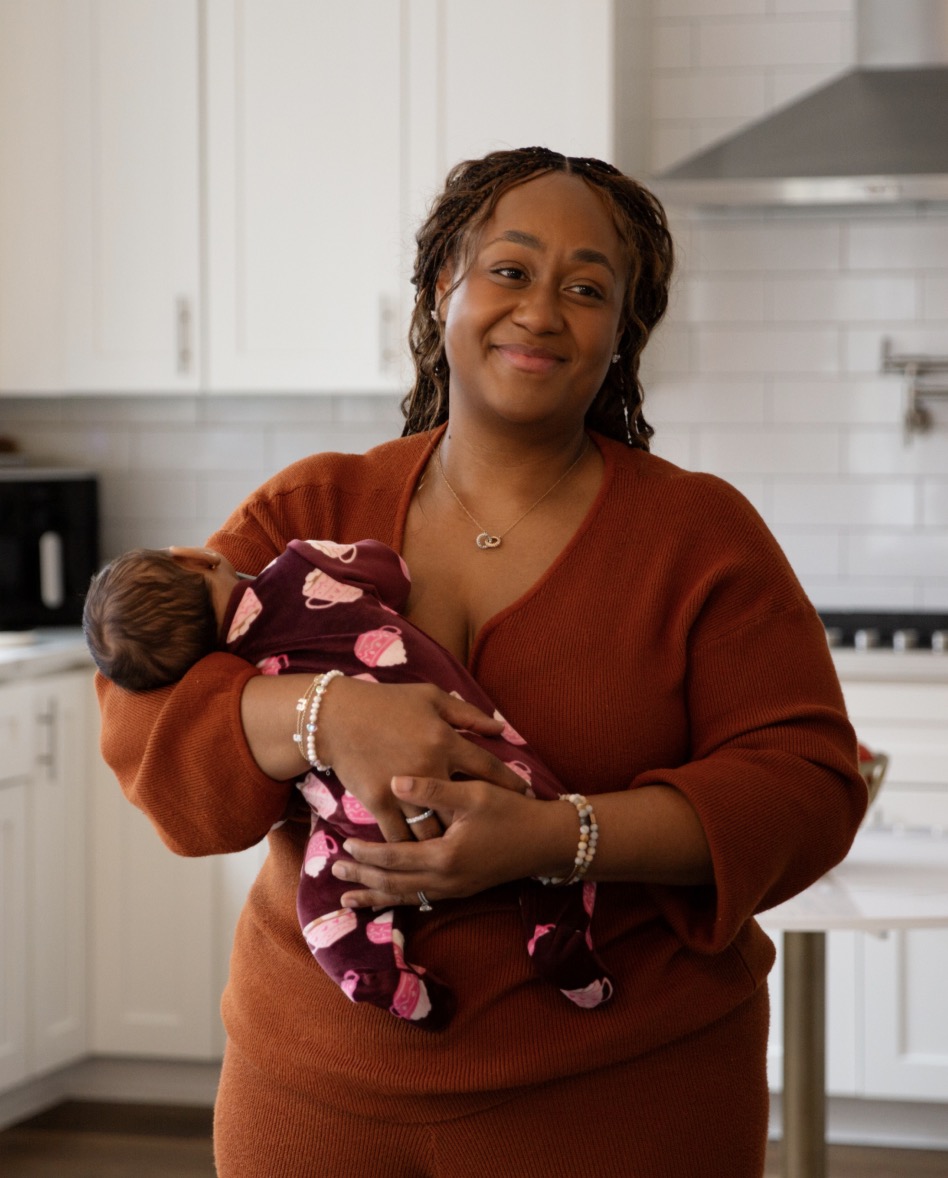
For clinicians like Dr. Ashlee McCorkle-Jamieson, an OB/GYN practicing in Atlanta, the challenge of having enough time is part of everyday reality. Balancing patient care with documentation demands can make it harder to stay fully present, especially during sensitive conversations that require trust.
Dr. Ashlee’s goal in the medical field is to provide excellent maternal healthcare to women who are of limited means. With Dragon Copilot she now feels like she’s achieving her goal by becoming a much more effective listener.
“With Dragon Copilot, I can focus properly on my patients—ask better questions, listen more closely, and be fully present during the visit.”
By capturing and summarizing clinical conversations automatically, the application allows clinicians like Dr. Ashlee to shift their focus away from notetaking and back to the patient in front of them. This subtle but meaningful change can help create more space for clinicians to engage directly, ask more focused questions, and respond in the moment. For patients, it can help support a more attentive experience—an area where research and lived experience suggest women’s healthcare hasn’t always been consistent.
For Dr. Ashlee, leaving her daughter and the next generation of women a world that makes them feel empowered is her ultimate goal. By genuinely listening to her patients’ needs, she feels closer to that goal every day.
“I wish that women better understood that they are owed a doctor who listens to them. They are owed a doctor that believes them. They are owed a doctor that sees them as valuable, and they are owed a doctor that, um, allows them to make their own health care decisions just with digestible and accessible information.”
Dedicated to better care
Through the [w]Health movement, a collaborative effort is bringing together industry leaders, clinicians, and advocates to rethink systems across research and care.
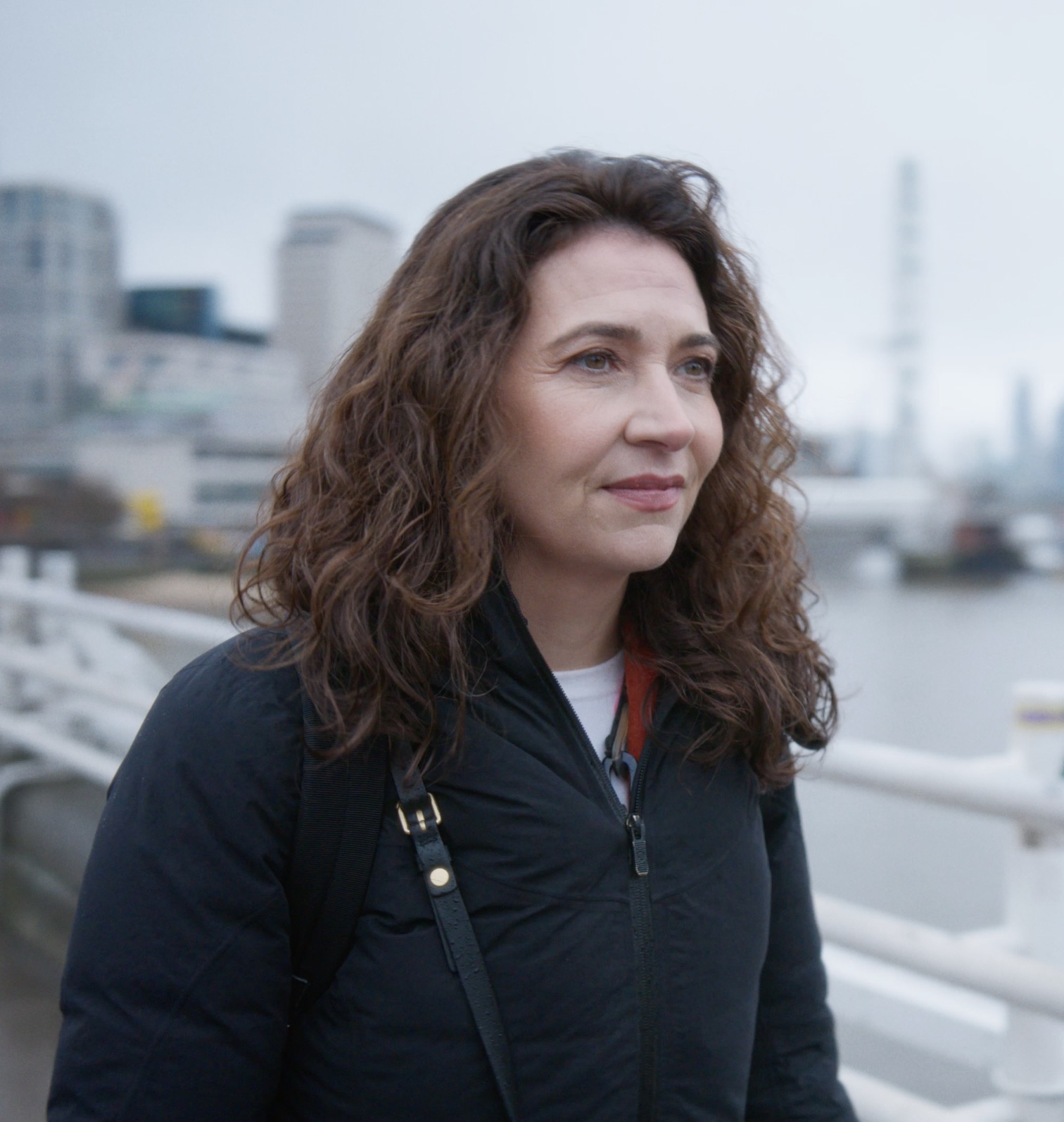
In London, Paula Bellostas Muguerza, founder of [w]Health, has helped build that movement into a global community focused on closing the gender health gap. Her work highlights how deeply embedded these challenges are, and how collective action is required to address them. Paula grew up in a family of entrepreneurs in Spain, built a career in a male-dominated field, and rose to lead global healthcare and life sciences strategy at Kearney.
Paula’s own health scare began during an intense period of overwork and burnout, when she pushed through worsening headaches until, in a meeting, her face suddenly started to droop—prompting fears she was having a stroke. After being rushed to the hospital, doctors initially found no clear cause, and over the following weeks she experienced daily neurological episodes, including paralysis-like symptoms and severe disorientation.
During this time, she was passed between multiple specialists who couldn’t diagnose her condition. Eventually, she was diagnosed with a rare form of stress-triggered migraine (hemiplegic migraine) that left her unable to work for six months and, at times, unable to function independently. Her recovery required a full reset of her life, including major changes to her physical and mental health, and work habits.
“There are many challenges in the women’s health space and what is fascinating and also infuriating about it is that they’re all interconnected… women spend 25% more of their lives in ill health and disability.”
Her experience showed her that the system isn’t built around how women actually experience health. She had to navigate a confusing, fragmented path before finally getting a diagnosis and a path to recovery. The realization that women’s bodies, symptoms, and life contexts are still not well understood or consistently accounted for in research, diagnosis, or care—stayed with her.
This made Paula ask: How many other women are misunderstood, dismissed, or underserved by a system that wasn’t designed for them?
She now advocates for a model of healthcare that looks at women holistically and pushes for better data, more inclusive research, and coordinated care. She’s dedicated to rethinking a healthcare system that treats women as whole people from the start.
That realization led her to found [w]Health, a global movement focused on closing the gender health gap. A gap which connects to real consequences like misdiagnosis, mental health strain, and workplace performance challenges for women.
“What many women experience in healthcare isn’t isolated—it reflects systemic gaps that have existed for decades.”
A connected effort
From clinical practice in a community south of Atlanta to global collaboration in London, progress depends on connecting perspectives and building solutions that reflect real-world needs. Moving away from systems that fragment attention toward solutions that help medical professionals truly listen magnifies the human experience.
When clinicians have the space to listen, patients have the opportunity for their voices to be heard. And in that exchange, care becomes more connected, more responsive, and more human.
Microsoft products and services (1) are not designed, intended, or made available as a medical device, and (2) are not designed or intended to be a substitute for professional medical advice, diagnosis, treatment, or judgment and should not be used to replace or as a substitute for professional medical advice, diagnosis, treatment, or judgment. Customers/partners are responsible for ensuring solutions comply with applicable laws and regulations.