A more accessible workplace
June 16, 2026
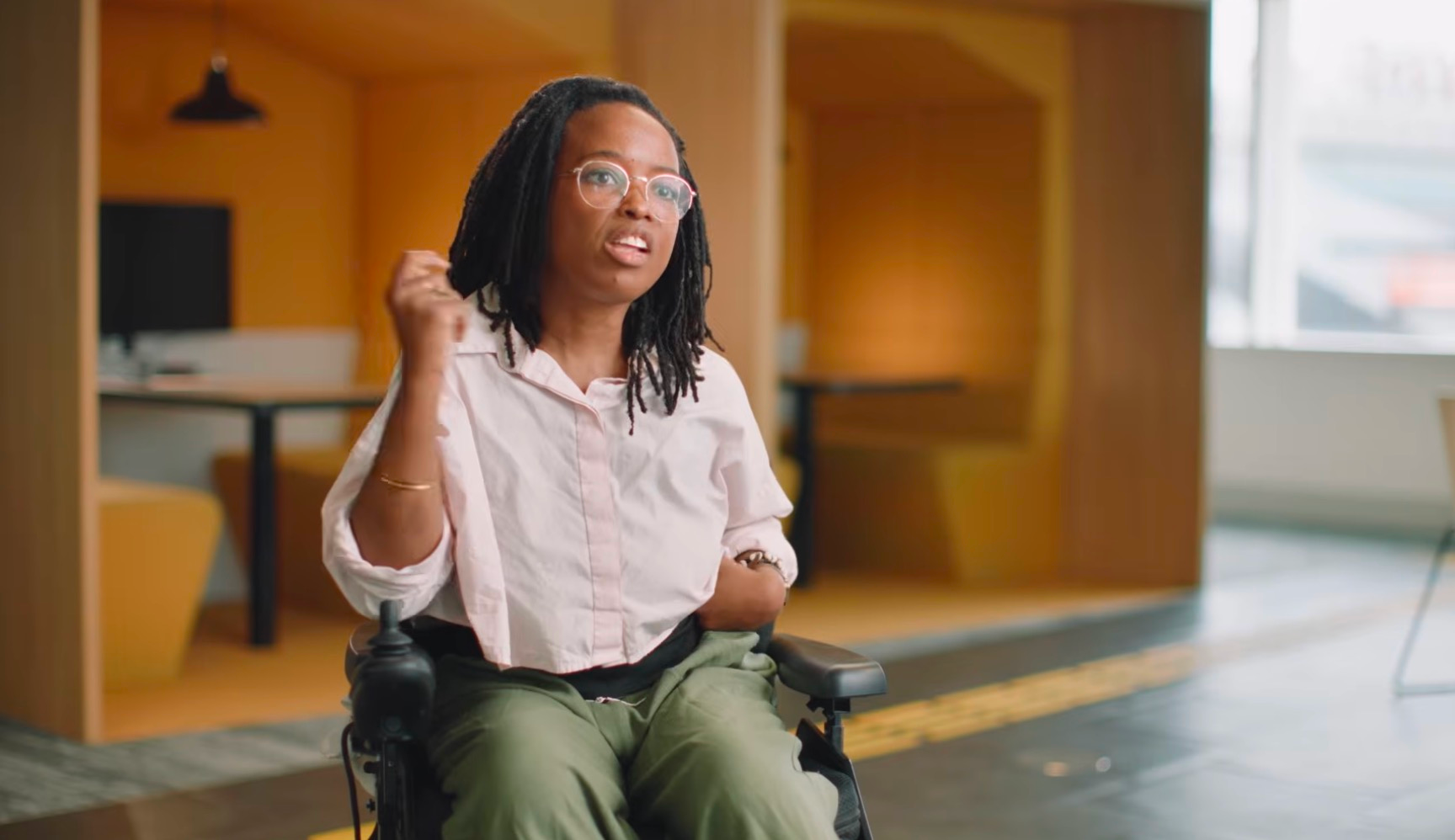
Everyday tech isn’t always made for people with disabilities in mind, making office tasks often hard to perform. For Nana Kabagwira, an evaluation officer at Scope—a UK-based disability equality charity—daily interactions with tech can sometimes be challenging. Since her work involves speaking with focus group participants, analyzing data, and helping shape policy decisions that can change lives, Nana needs tech that keeps up. But for a time, Scope’s software tools were holding her back.
“Cerebral palsy affects my speech, coordination, and balance,” Nana says. “Sometimes it makes typing difficult.”
Scope supports more than 4.6 million disabled people each year. Their mission is to create an equal future with disabled people, but when leaders within the organization realized they were falling short within their own work environment, they knew they had to act. Many Scope employees were struggling with tech and processes across the workplace, signaling it was time for Scope to make a shift.
“We had colleagues telling us they loved Scope and what we stand for, but our technology was holding them back,” says Kwesi Afful, Digital and Data Executive Director at Scope. “That was a wake-up call. If we’re serious about accessibility, we have to get it right internally too.”

If we’re serious about accessibility, we have to get it right internally, too.
Building tech that works for everyone
Together, Scope, Microsoft, and Phoenix—Scope’s UK-based partner—stepped back and reimagined the organization’s digital foundation, updating their patchwork systems to a more connected approach. They mapped out both immediate improvements and longer-term transformation, which meant modernizing devices and strengthening security.
Training was delivered in accessible formats, and sessions were offered both in-person and online—while keeping the focus on ensuring everyone could use them. At the center of that transformation was Microsoft 365 and Copilot, all secured by tools like Microsoft Entra, Defender, and Sentinel, which brought everything into a more unified, secure environment.
Since adopting Copilot organization-wide in late 2025, Scope has seen a positive change in how work gets done. Employees use Copilot every day to draft content, summarize meetings, and analyze information. Thousands of prompts each month help turn ideas into action faster, and across the organization, teams have developed hundreds of AI agents. These agents are tailored to specific workflows and are supported by a growing network of Copilot champions.
“No matter what challenges our colleagues are facing, Copilot magnifies each person’s ability,” Kwesi says. “It allows everyone to contribute in their own way.”
Scope even built its own internal system—the Hargreaves engine—which connects with Copilot to give real-time feedback on documents, measuring accessibility, tone, and clarity against internal standards. The result is more consistent, inclusive content from the start.
The rollout of Copilot was about empowering employees, giving them dedicated time to explore what AI could do. Training content was recorded and accessible on demand. And during hands-on sessions, employees learned how to build their own AI agents. One “agent-in-a-day” experience alone generated more than 140 ideas, showing what’s possible when people are given the tools and space to create.
Moving closer to a more accessible future
And Scope keeps building beyond internal transformation. The organization is now exploring how agentic AI—systems that can act and respond dynamically—might help close the disability employment gap across the UK.
“As people understand, adopt, and integrate technology, I think there will be more opportunities for disabled people,” says Sir Robin Millar CBE, Chair of the Board of Trustees, Scope.
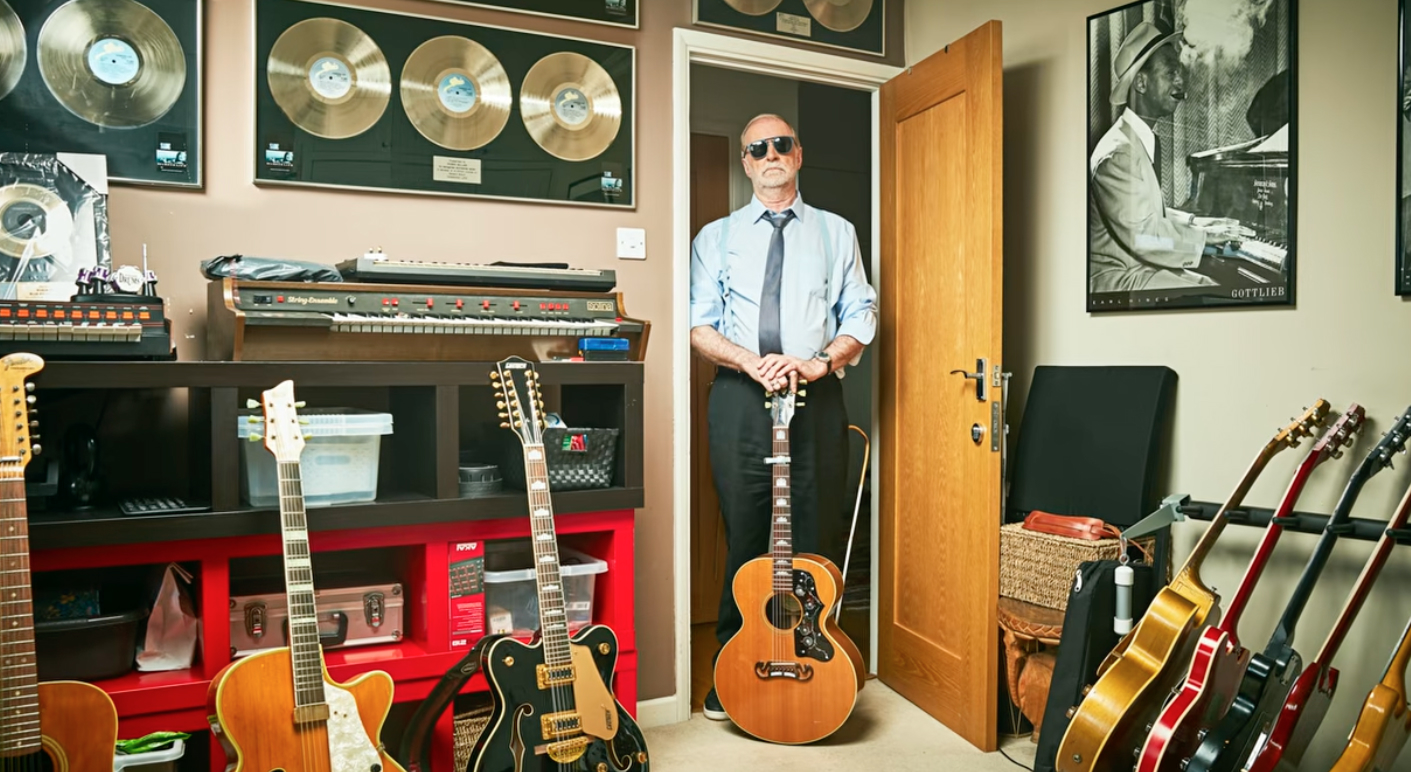
The more inclusive you are, and that includes employing more disabled people, the better your organization will do.
New tools in development are designed to support both sides of the hiring process. Employers will have access to clearer, more actionable guidance to create accessible recruitment practices, and job seekers will have conversational support to navigate applications and identify environments that work for them.
Today, Scope has fewer barriers inside the organization, and teams can focus more fully on the work that matters most: driving impact for millions of disabled people. With Copilot helping streamline the workday, employees are spending less time navigating technology, and more time shaping the conversations that lead to change.
Because when technology is built with inclusion at its core, work becomes easier for everyone.