Growing with the cloud
May 29, 2026
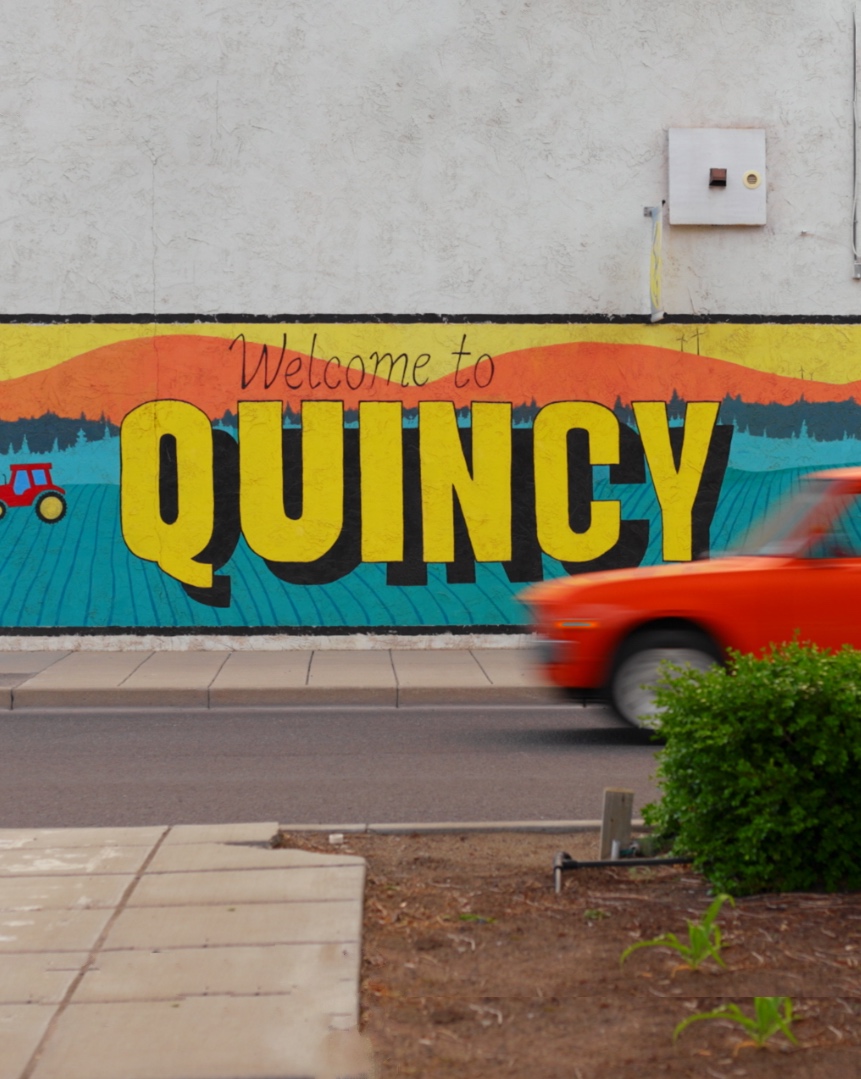
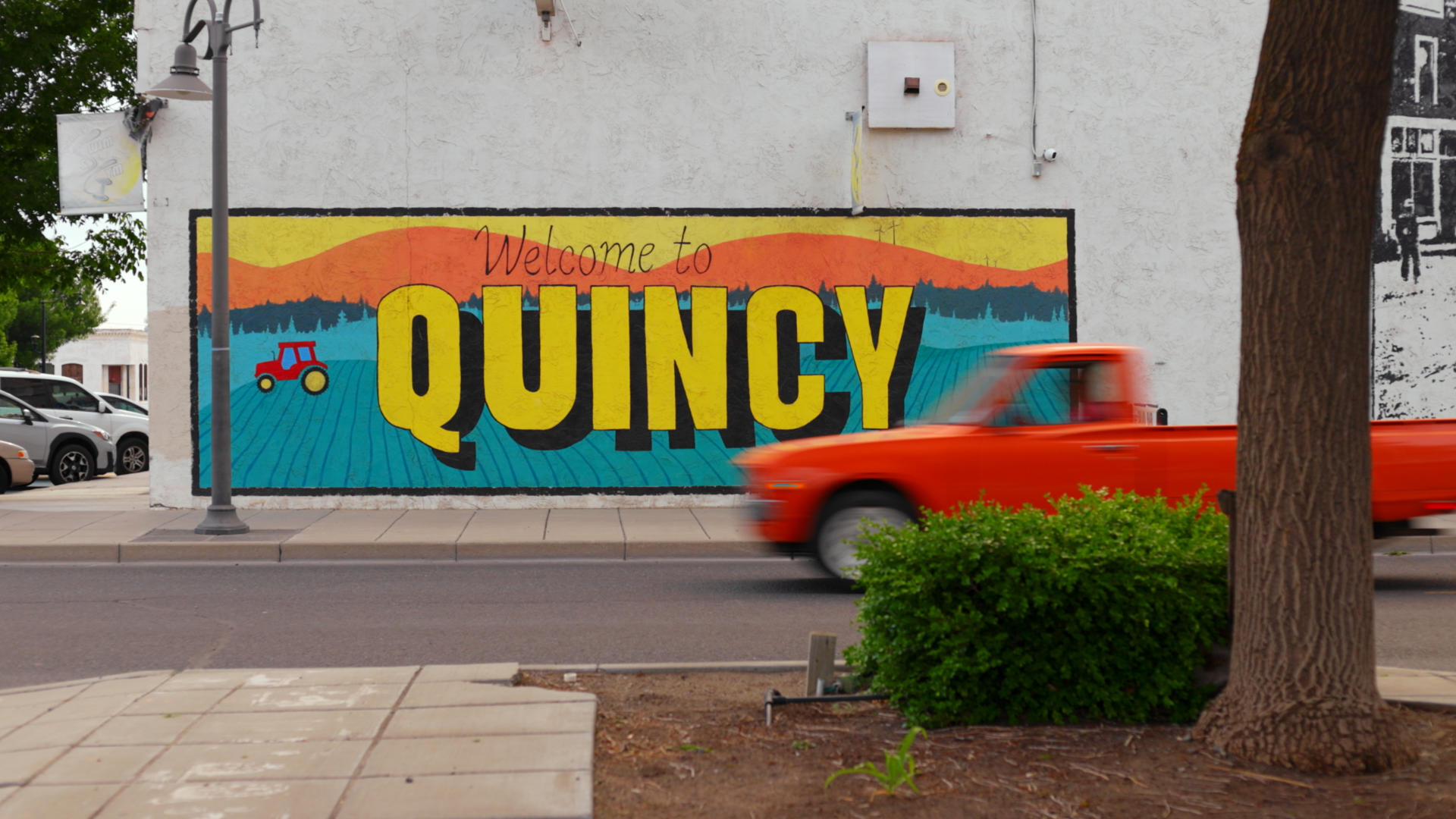
As a farming community in the heart of Washington state’s agricultural basin, Quincy was never meant to be a tech town. But the power from the hydroelectric Grand Coulee Dam that made Quincy’s apples grow has also made it an excellent place to build the cloud.
Microsoft broke ground in Quincy 20 years ago, designing and building the first company-owned data center —something local leaders had never seen but were proud to be part of. Now, on the edge of Quincy, two campuses hold more than 20 buildings and two million sq feet of computing power that millions rely on every day.
Creating more jobs and contributing to growth
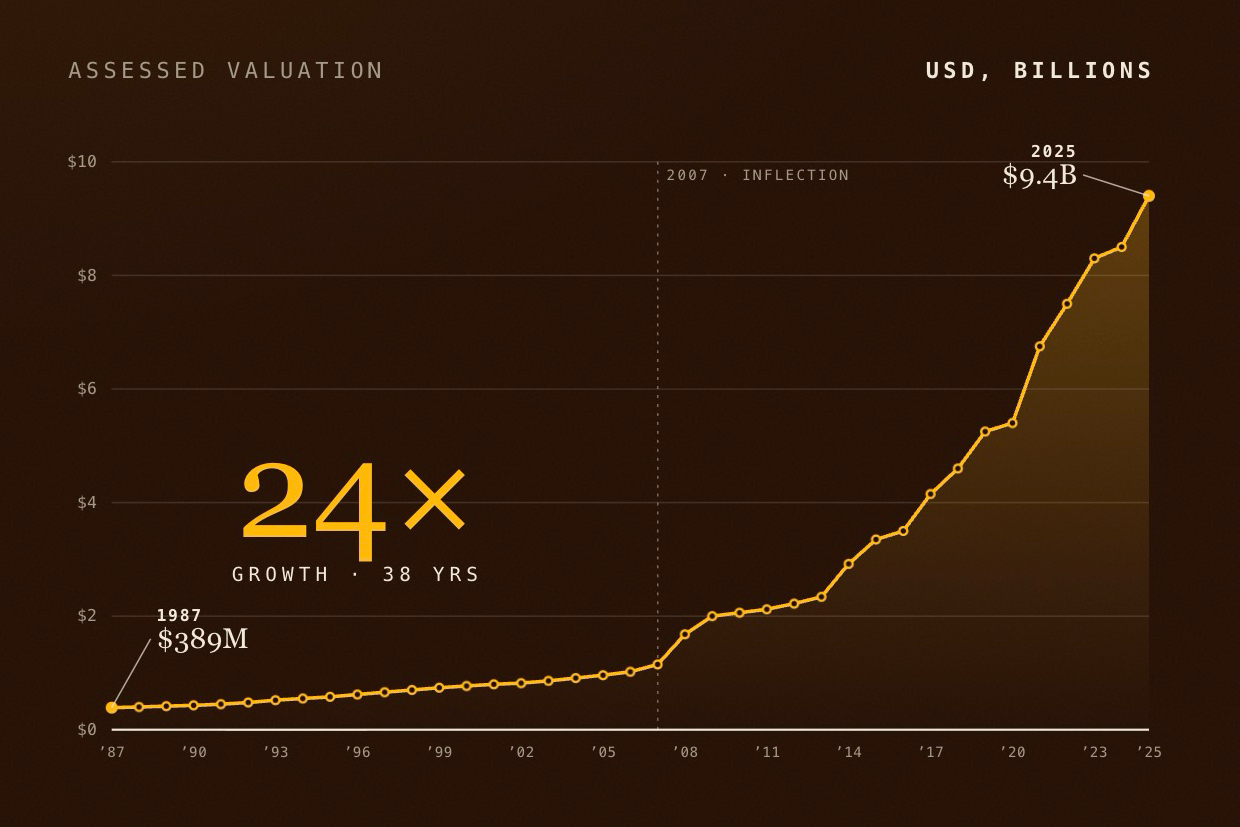
Grant County’s population has grown by almost 33% over the last two decades, and Quincy’s poverty rate was cut in half between 2012 and 2023, falling from 29.4% to 13.1%. Property tax rates for residents have dropped, even as a stronger tax base helped fund community necessities like a new hospital, new city hall, new library, new high school, and new public safety stations that anchor the community.
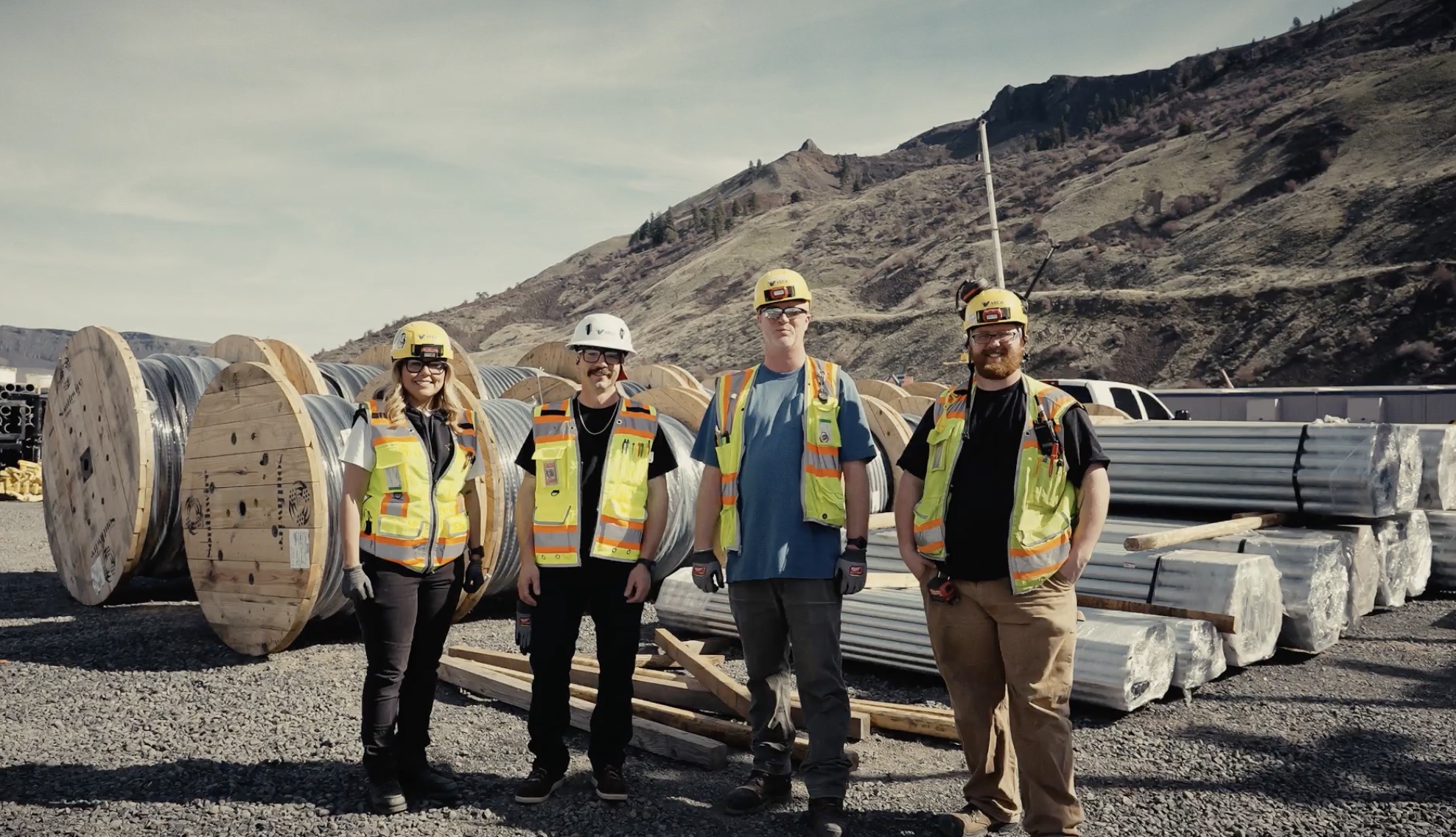
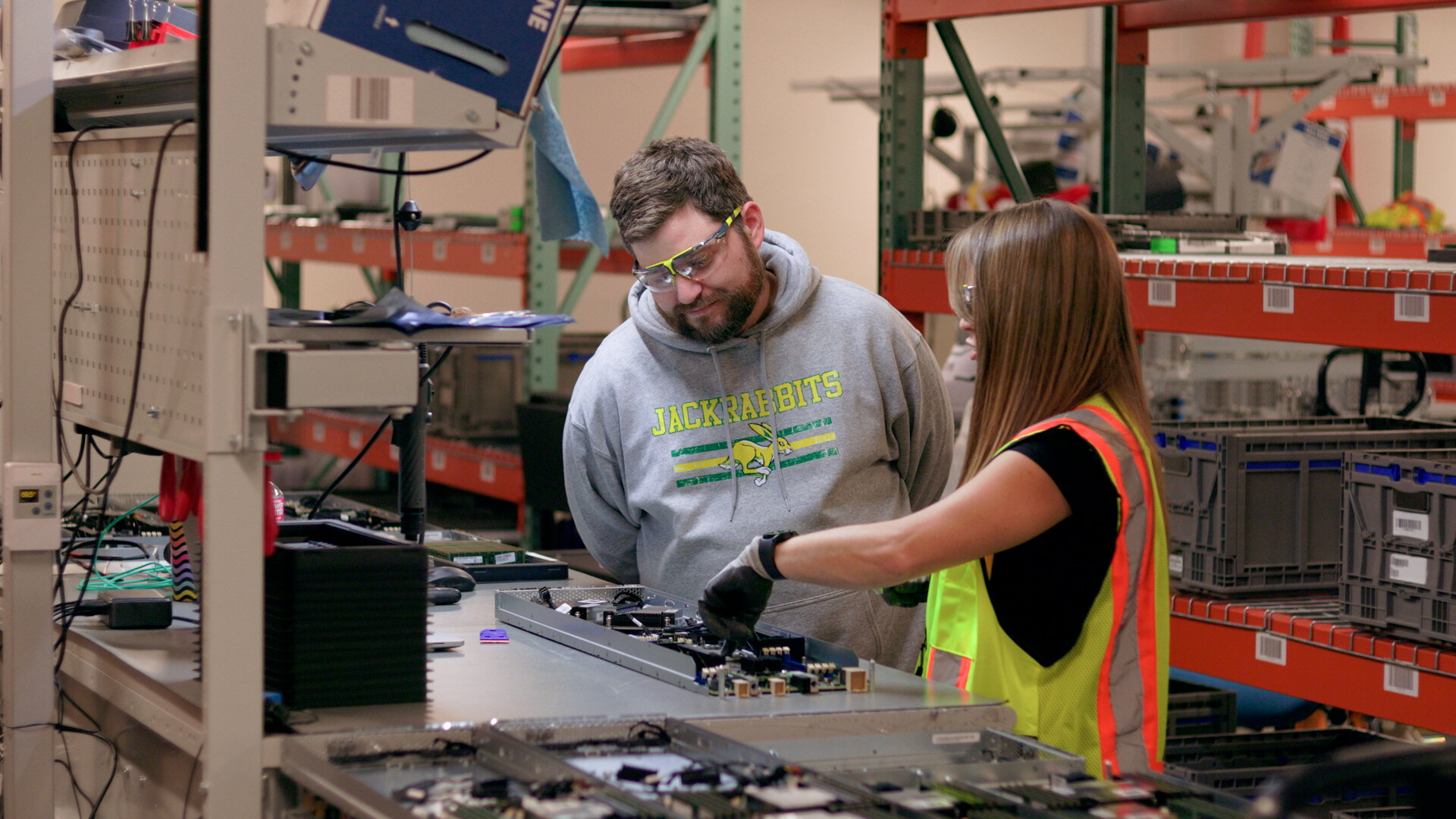
Microsoft’s data center operations in Central Washington employ about 400 people today, and that number is expected to climb to nearly 700 full-time employees and contractors by the end of 2026. Another 200 security contractors work alongside them. The average data center job pays roughly $93,000 a year, compared with $53,000 across the region, and onsite contractor roles pay about 1.7 times the regional average.
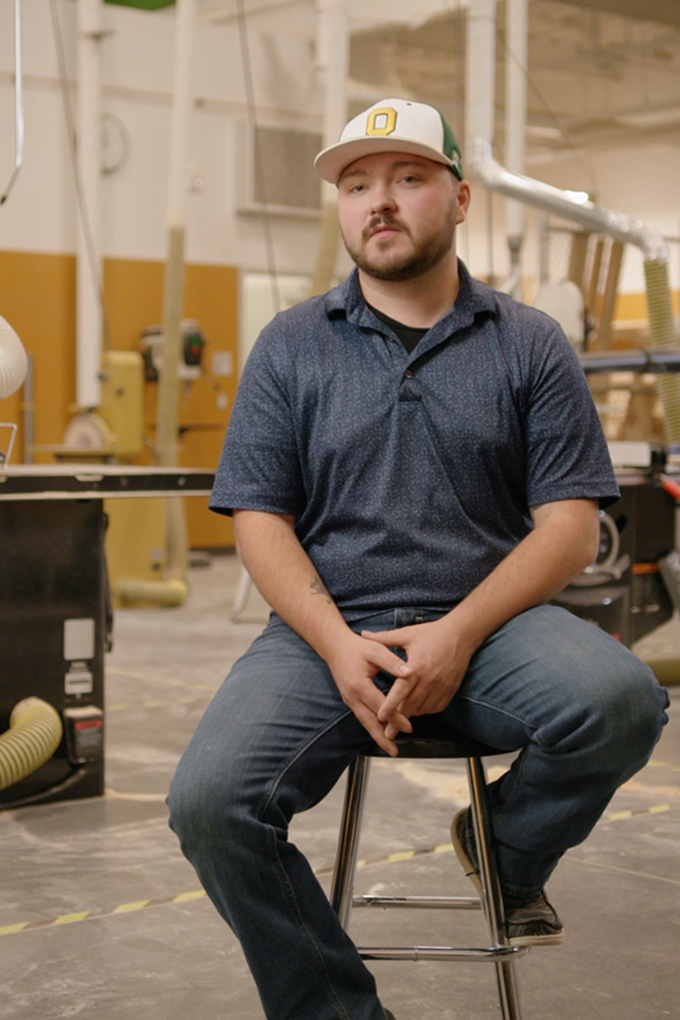
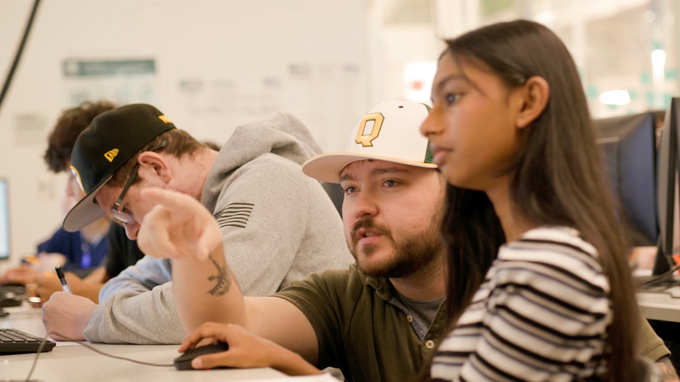
To find talent for those careers, Quincy introduced the state’s first high school data center technician program, with Microsoft’s support, alongside expanded computer science and cybersecurity courses. Partnerships with Big Bend Community College and the NCW Tech Alliance have enabled local classrooms to keep young people close to home.
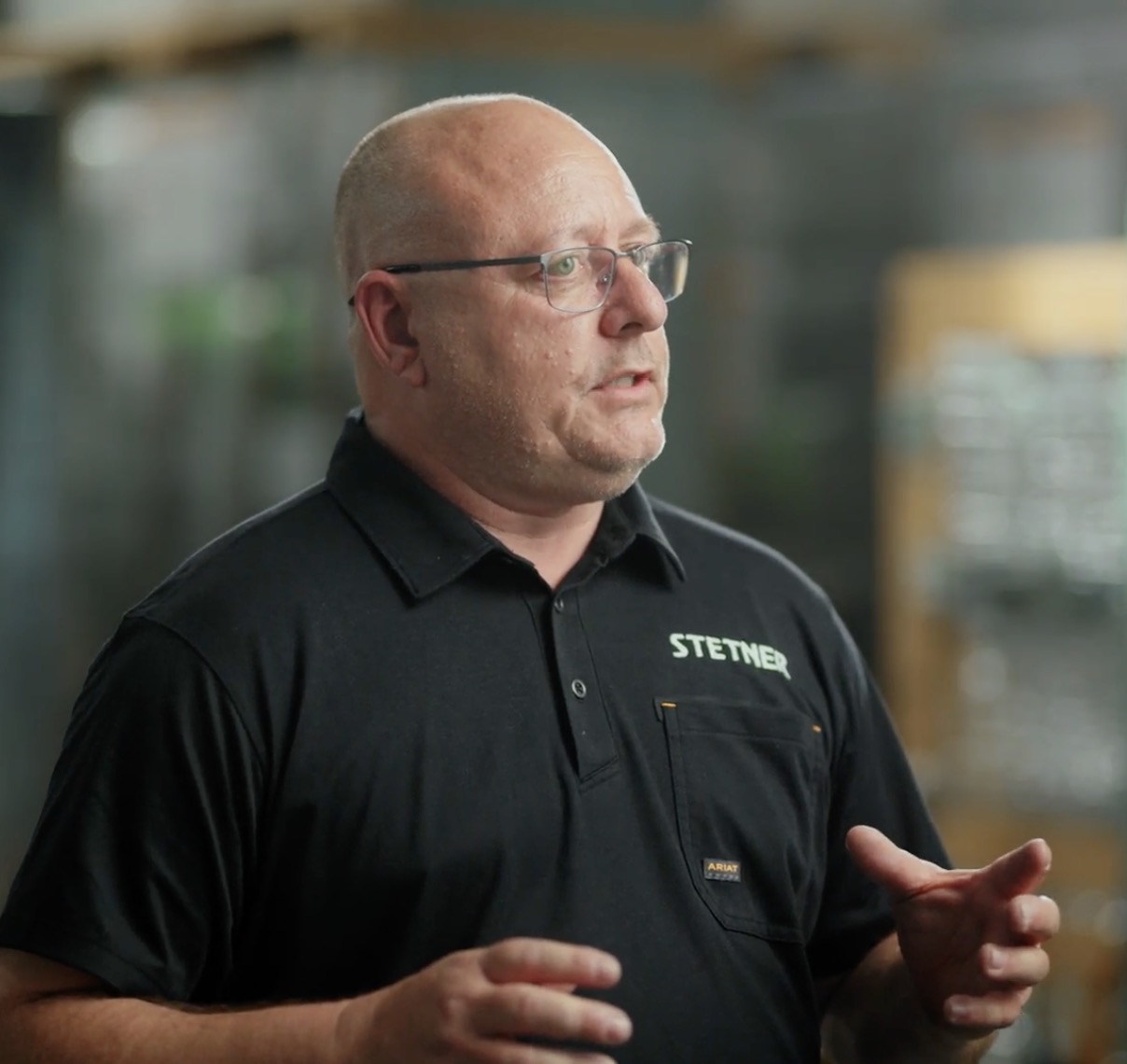
Microsoft’s philosophy was to hire local contractors and see what we can do, and because of this, my company has just grown and grown. Quincy has just blossomed.
Growing with purpose
In 1992, Stetner Electric was a five-person shop wiring schools across Washington state. After two decades of growing alongside Microsoft’s campuses, the company has employed 550 people at its peak and expanded into a full technology group. Stetner Electric also bought two empty downtown buildings to help bring Quincy’s main street back to life.
Stetner Electric is one of many thriving local businesses making positive changes for the community. The Idle Hour Café was set to close its doors in 2006, but this family-owned business is happily being taken over by the next generation. The town that almost lost its main street is building a flourishing downtown with purpose.
At a time when other places have been shrinking, the population of Grant County has grown by almost 25 percent. The poverty rate has been cut in half. Property tax rates for the people who live there have fallen, but because of our presence, property tax revenue has increased 24-fold.
Focused on sustainability
Microsoft and the City of Quincy have also built the first-of-its-kind cooling water reuse facility, which has helped achieve an average 97% reduction in potable water use. Roughly 1.5 million cubic meters of reclaimed water a year are available for community use.
Quincy is thriving and new campuses are coming to nearby East Wenatchee and Malaga. Small towns are creating opportunities that are benefiting everyone, wherever we live. And as Quincy continues to grow, so does what’s possible. New community spaces like the aquatics center are taking shape, while older buildings are giving way to more efficient, sustainable infrastructure. What started as a single data center is still evolving—creating opportunities, supporting jobs, and helping ensure the next chapter of Central Washington is built to last.